Ajay Parthiban, Knowledge Hub
My name is Ajay Parthiban, and I have been working with the Knowledge Hub Team at Keystone Foundation since 2023. My journey with Keystone has provided me with countless learning opportunities and unique experiences, both professionally and personally.
One of the most memorable experiences was our Exposure Visit to Jharkhand, held from 7 July to 15 July 2026. The visit aimed to understand the work of Keystone’s Jharkhand office and learn from different teams. It also provided an opportunity to exchange knowledge and experiences.
During our visit, The Keystone office in Jharkhand was established in 2025. The entire team welcomed us with warmth, kindness, and genuine hospitality. I would especially like to thank Jyothi, Reshma, and Prema, whose care and support made us feel at home throughout our stay.
Learning from Village Life and Resilience:
Our first field visit was to a village near Orsa, located more than 100 kilometres from Ranchi. The journey took nearly five hours by road. Along the way, we stopped at a small natural spring to drink water. The spring is the only reliable drinking water source for travelers, with no other source available for nearly two hours of travel. The water was rich in natural minerals and refreshingly pure.
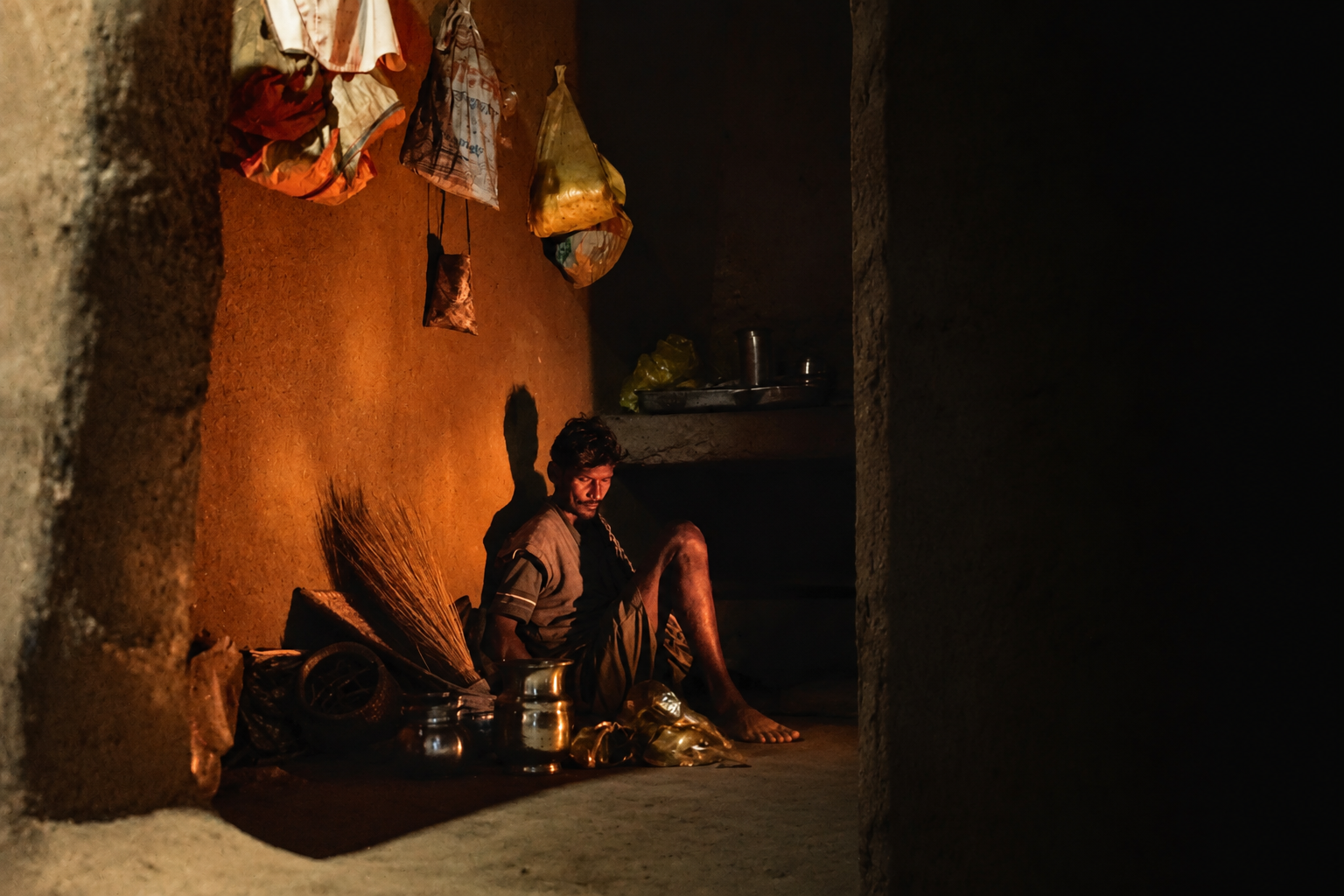
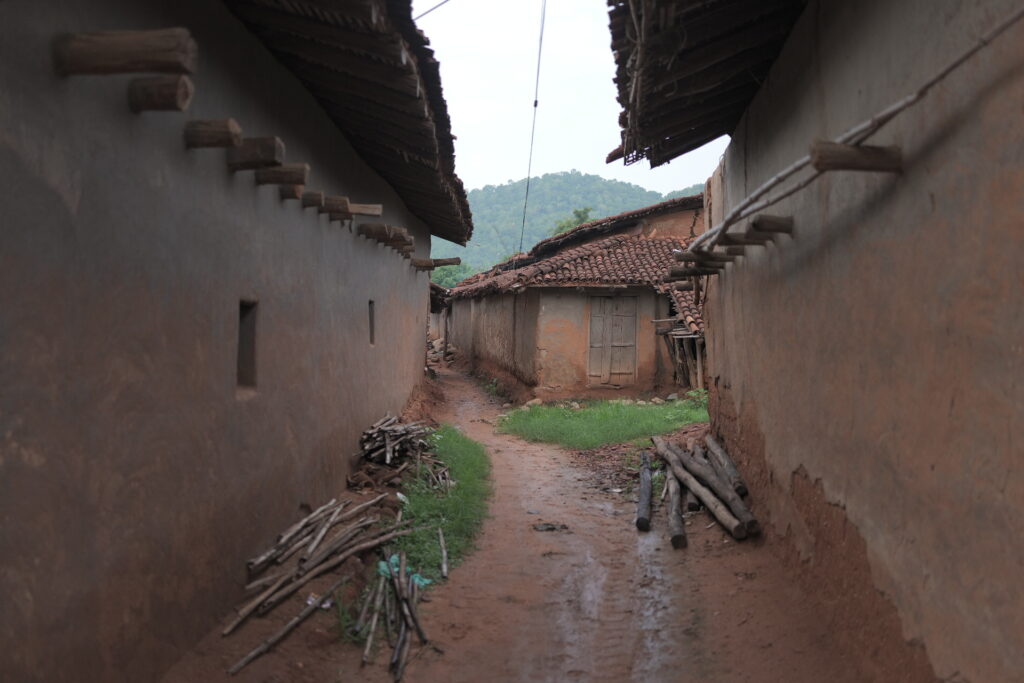
When we reached the village, I was fascinated by the lifestyle of the local community. Their homes, farming methods, and daily routines were very different from what I had seen before. Families raised cattle, goats, pigs, chickens, and other livestock using traditional methods, while agriculture remained their primary livelihood.
Despite their rich traditional knowledge and close connection with nature, the villagers continue to face many challenges. Access to essential government welfare schemes remains limited, and reliable electricity is still unavailable in many households. Instead, families depend on solar power for several years to meet their basic energy needs. Witnessing these realities helped me better understand the resilience and determination of the community.
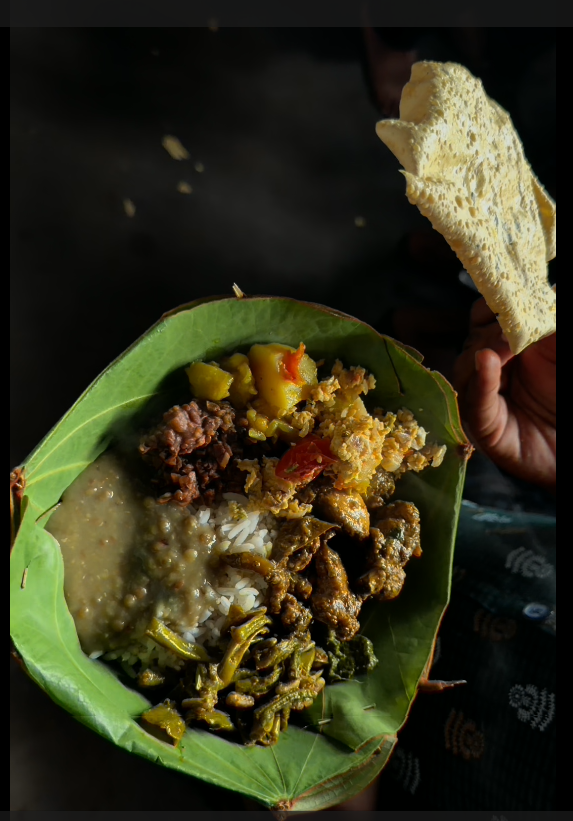
The villagers warmly welcomed us with a traditional meal prepared using locally available ingredients. The menu included ragi, steamed rice, meat curry, a variety of leafy greens, vegetable dishes, and traditional rotis. I was especially impressed by the community’s ecofriendly way of serving the food.
Instead of disposable plates, the community served the meal on “Saal Patha” plates. They handcrafted these plates from Sal tree leaves and stitched them with thin bamboo strips.
The strips formed sturdy plates and bowls for serving the meal. It was a beautiful example of sustainable living and the community’s traditional dependence on their forests. The food was delicious, and the entire dining experience was both memorable and inspiring.
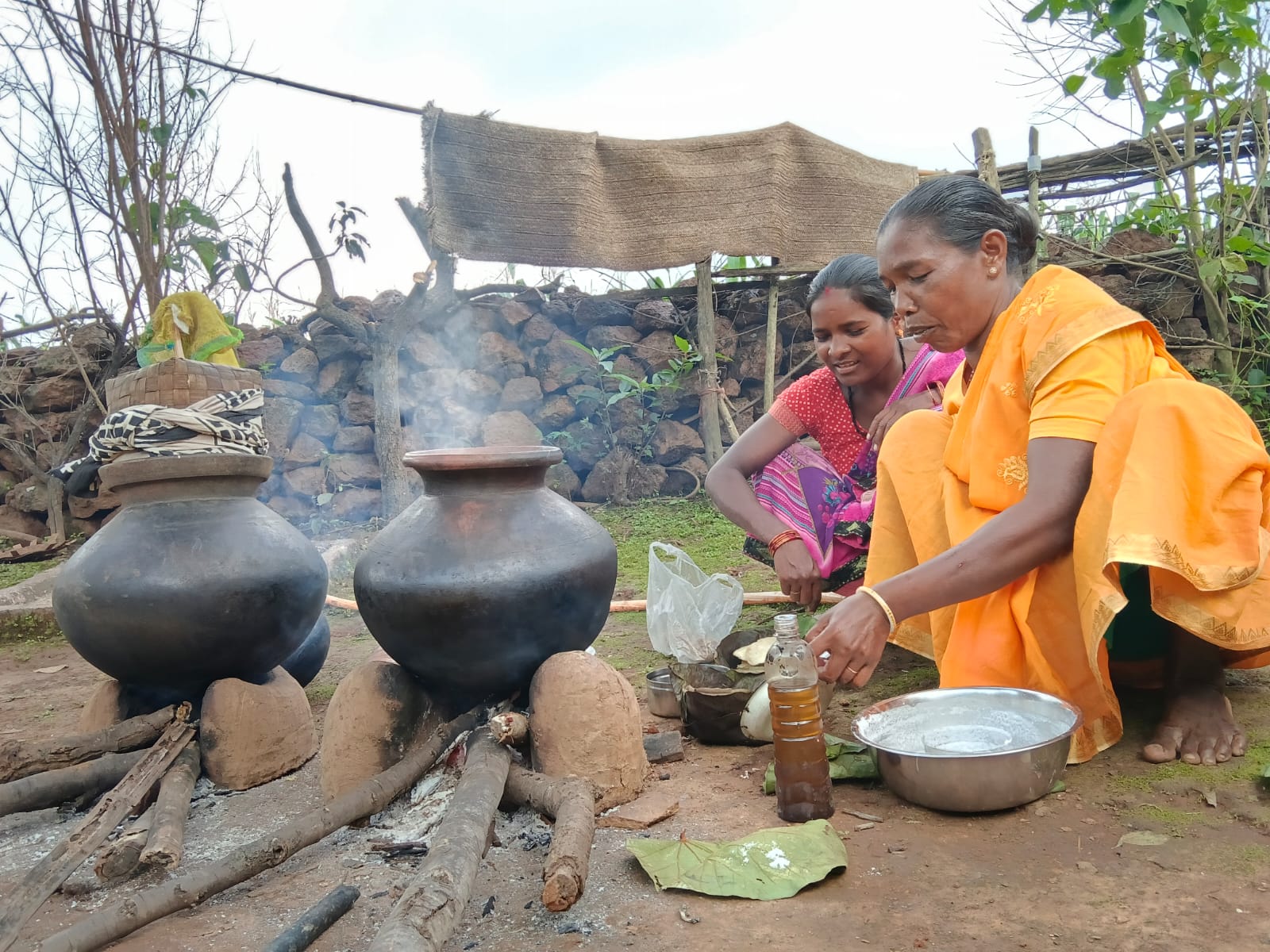
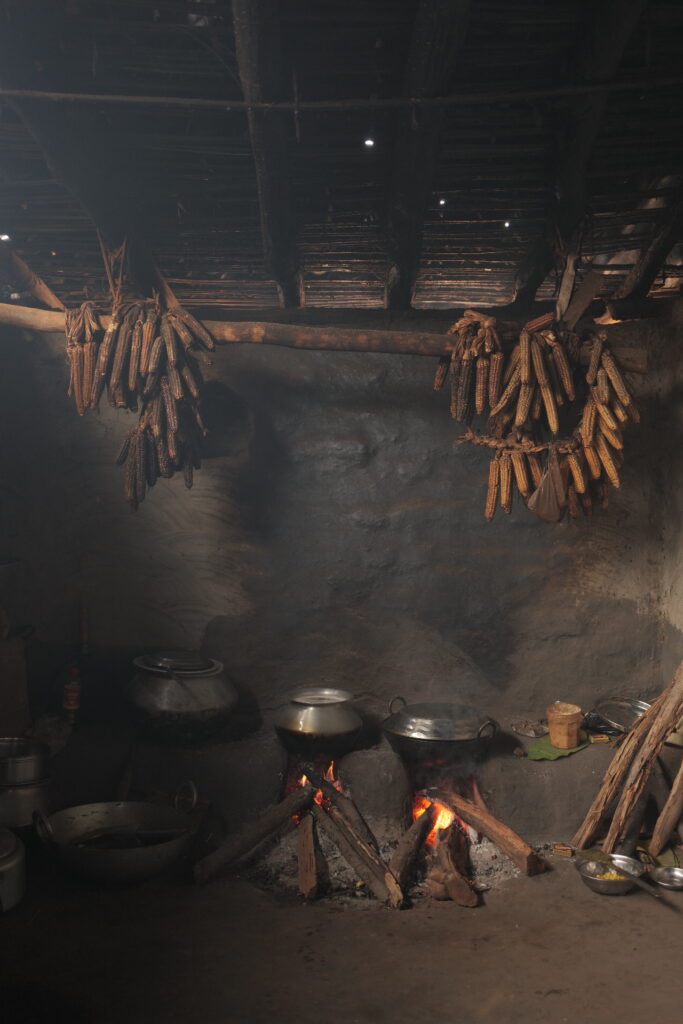
As part of our documentation work, we recorded videos of the traditional cooking process, preserving valuable knowledge about local food practices and culture. It was an enriching experience to document these traditions for future learning.
We also interviewed a local leader named Bimla di, who shared her experiences of life in the village. She spoke about the community’s customs, traditions, daily challenges, and the ways in which they continue to preserve their cultural heritage despite changing times. Listening to her story gave us a deeper understanding of the strength, resilience, and wisdom of the indigenous community.
After completing our documentation and interactions with the villagers, we returned from Orsa and continued our journey to another field location the following day, eager to learn more from the diverse communities of Jharkhand.
Discovering Jonha Village and Learning Through Community
On the second day of our exposure visit, we travelled to another village called Jonha, which was about two hours from our previous location. Our journey through the scenic countryside gave us another opportunity to experience the natural richness of Jharkhand.
Before entering the village, our colleagues suggested that we visit the famous Jonha Falls, one of the region’s well-known waterfalls. The waterfall was truly breathtaking, surrounded by lush greenery and rocky landscapes. Since it was the weekend, many families and visitors had gathered there. We also took some time to admire the beauty of the falls and captured a memorable group photograph together.
After visiting the waterfall, we walked a short distance to Jonha. As we entered the village, we noticed another team filming a video. Curious about their work, we spoke with them and learned that they were producing a short film. It was interesting to see creative storytelling being used to document and celebrate local life.
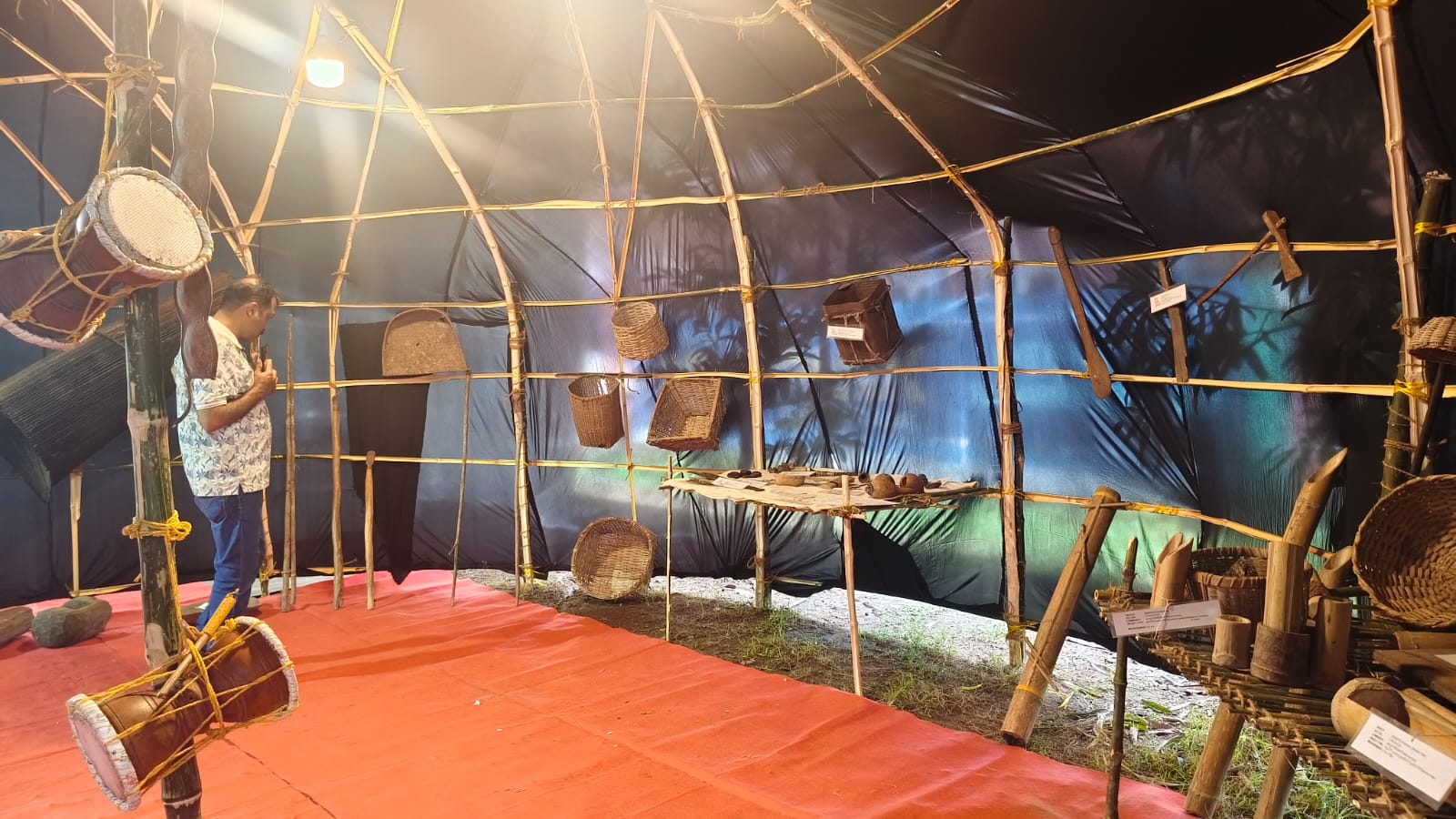
Our next stop was a community library that the community established especially for village children.The community used many locally available materials to build and furnish the library, making it a wonderful community-driven initiative. The thoughtful design created a warm and welcoming learning space for young readers.
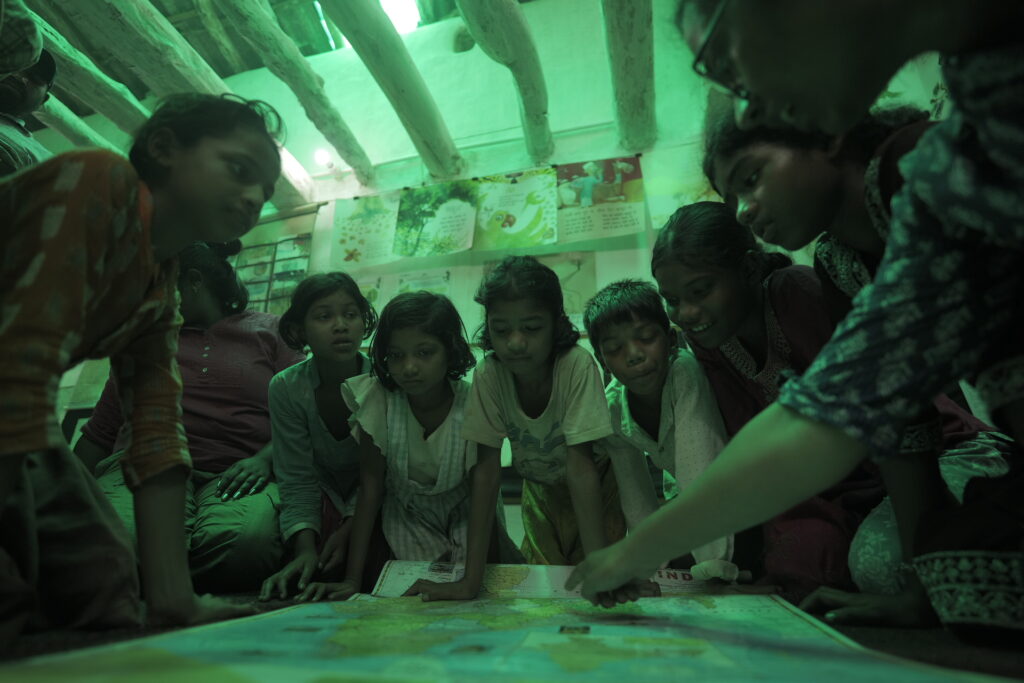
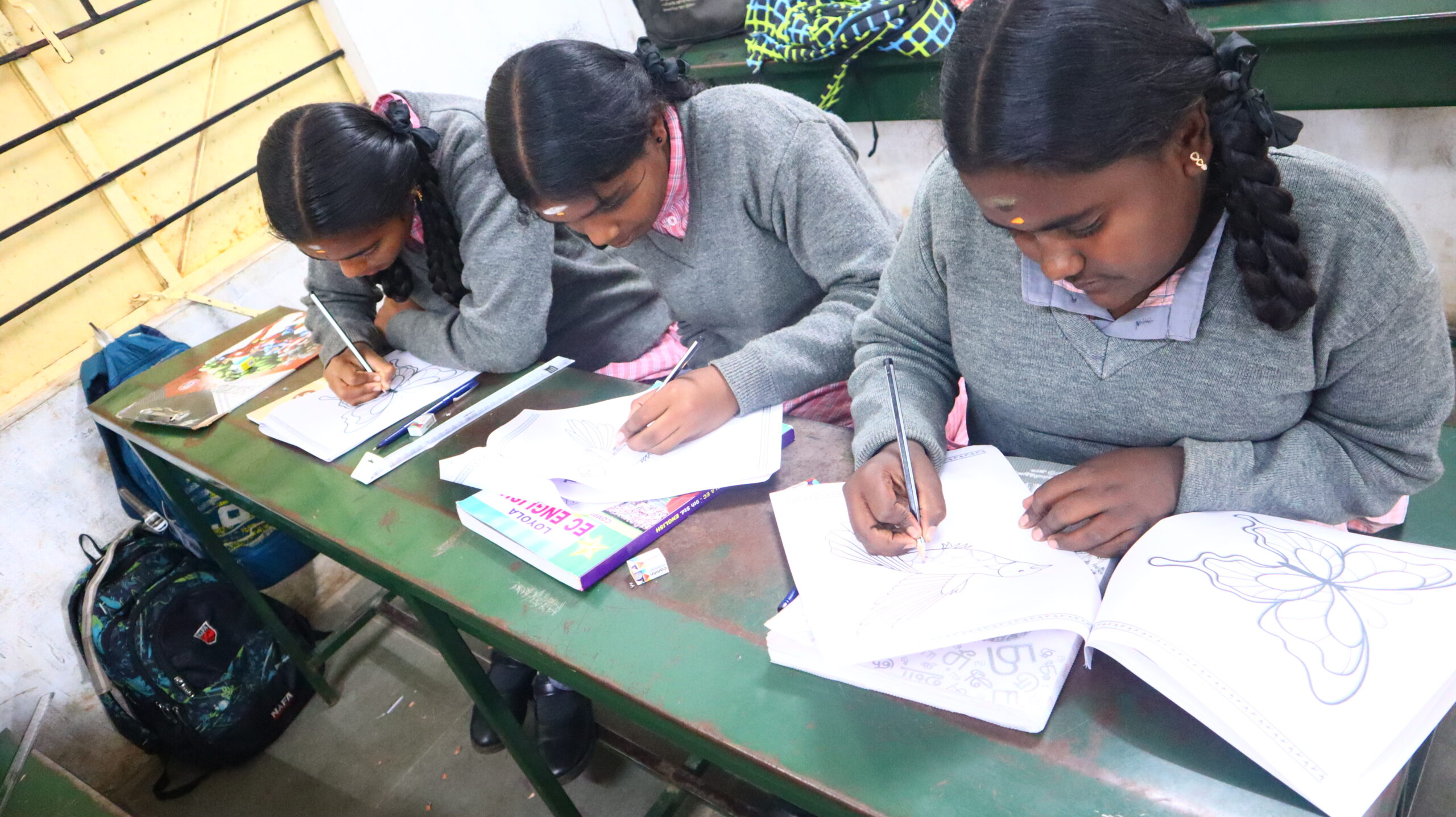
We spent time interacting with the children, who impressed us with their confidence, curiosity, and enthusiasm. They happily shared their artwork, handmade crafts, and creative projects with us. The children had made beautiful clay models, colourful drawings, and a variety of handcrafted items that reflected both their imagination and their connection to their surroundings. The library team carefully selected books for different age groups, encouraging reading and learning among the children.
As part of our documentation work, we recorded videos and photographs of the library, the children’s activities, and the inspiring learning environment. It was heartening to witness how such a simple community space had become a centre for creativity, education, and self-expression.
Later, we enjoyed another traditional lunch prepared by the local community. The meal was wholesome, nutritious, and rooted in the region’s food culture. One of the highlights of the meal was the variety of locally grown leafy greens—nearly four to five different types—which had been freshly harvested from nearby farms. Served along with rice and a delicious meat curry, the meal was prepared with care, and we thoroughly enjoyed the authentic flavors of Jharkhand.
After lunch, we thanked the community for their warm hospitality and began our return journey to the Keystone office. The day had been filled with meaningful conversations, inspiring experiences, and valuable learning opportunities. From the beauty of Jonha Falls to the creativity of the village children and the warmth of the local community, the visit left us with lasting memories and a deeper appreciation of community-led initiatives and traditional ways of life.
This exposure visit was more than just a work trip—it was a journey of learning, cultural exchange, and personal growth. It gave me a greater appreciation for indigenous knowledge systems, sustainable lifestyles, and the importance of community-based development. I am grateful to Keystone Foundation for providing me with this invaluable opportunity, which will continue to inspire my work in the years to come.
Photo Credits: Shawn Stephen