Bhavya George, Climate Change
Some networks offer the opportunity and space to go beyond networking and build deeper connections and solidarity. WAMA is one such network. It spans six countries (India, Nepal, the Philippines, Indonesia, Cambodia and Mongolia), with occasional representation from Bangladesh and Thailand. It is a network for women to come together to learn, exchange, discuss and plan actions on natural resource management, conservation, and women-led solutions to alleviate the impacts of extractives and climate change.
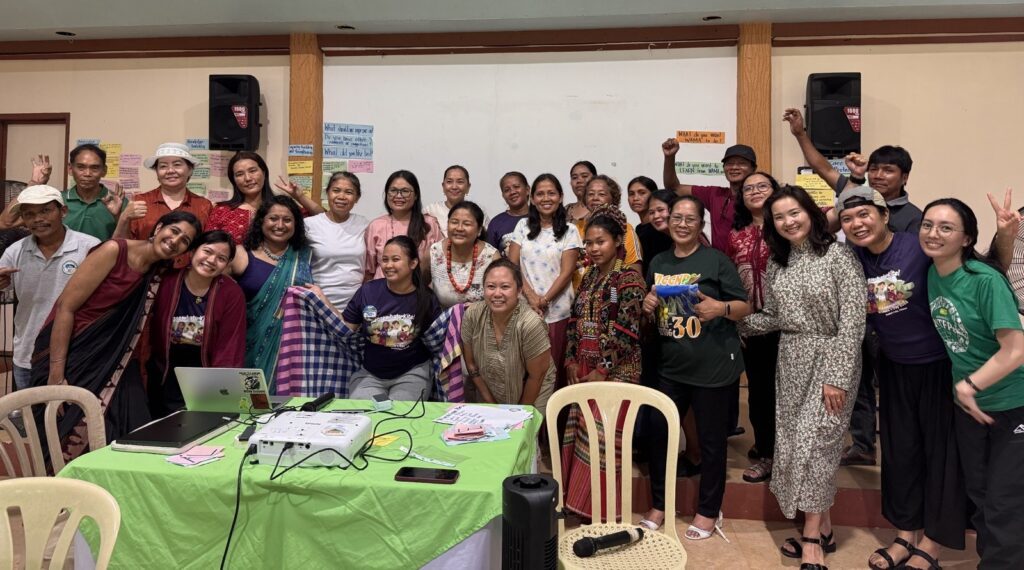
We meet once a year in one of the member countries for skill sharing and learning exchange. The idea is to experience the context of the place first-hand. This year’s learning exchange was held in Palawan, Philippines. Fourteen women participants from six countries, together with community participants from Palawan, shared experiences and ideas over four days, from October 2nd to 5th.
Over the four days, the major activities were country presentations, strategy planning and community visits. Unlike conventional conferences and workshops, these sessions encouraged active participation and engagement, helping us learn through formal discussions and informal interactions. Although English is the common language among WAMA members, with the community participants there was a connection that surpassed language.
Community visits were organised in three groups. The Almaciga group sought to understand the resin-based enterprise, including marketing, sustainable harvesting and conservation through nurseries. They shared that Almaciga trees in the forest are infested by a pest, and their population has declined. The Coco Spread group learned about, and saw first-hand, coco spread as a value-added product from coconut; Palawan is known for its rich coconut crop. The Rainforest group visited a 15-year-old restoration site, which is more like an analog forest.
Learning across Generations and Connecting with Nature
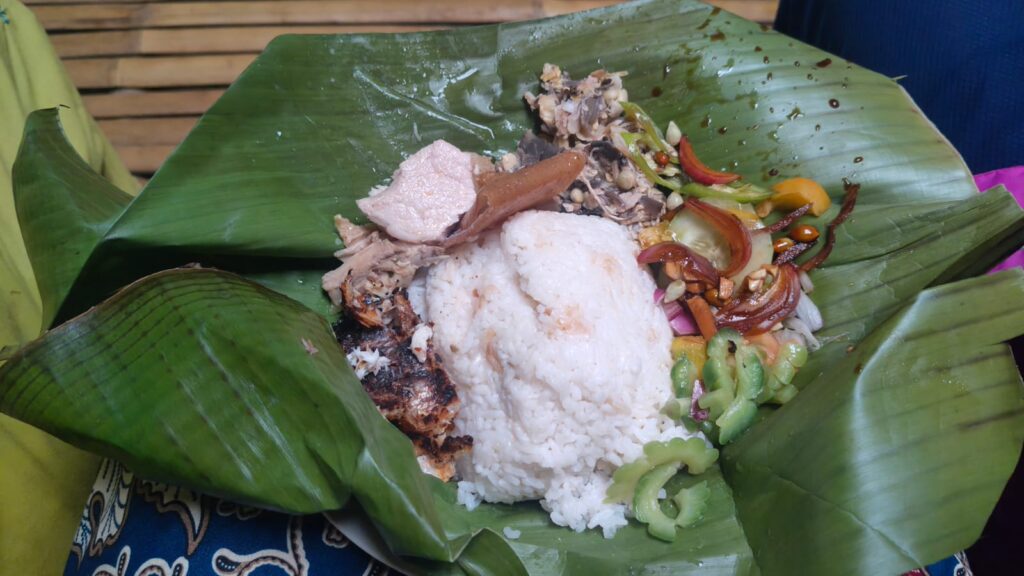
Rain and cultural food were the highlights of that experience. Besides this, we visited a School of Living Tradition, where intergenerational learning is key. Youngsters sang about their dreams for the land and territory, and elders played traditional musical instruments while we all tried their traditional dance. The hope amidst challenges touched my heart.
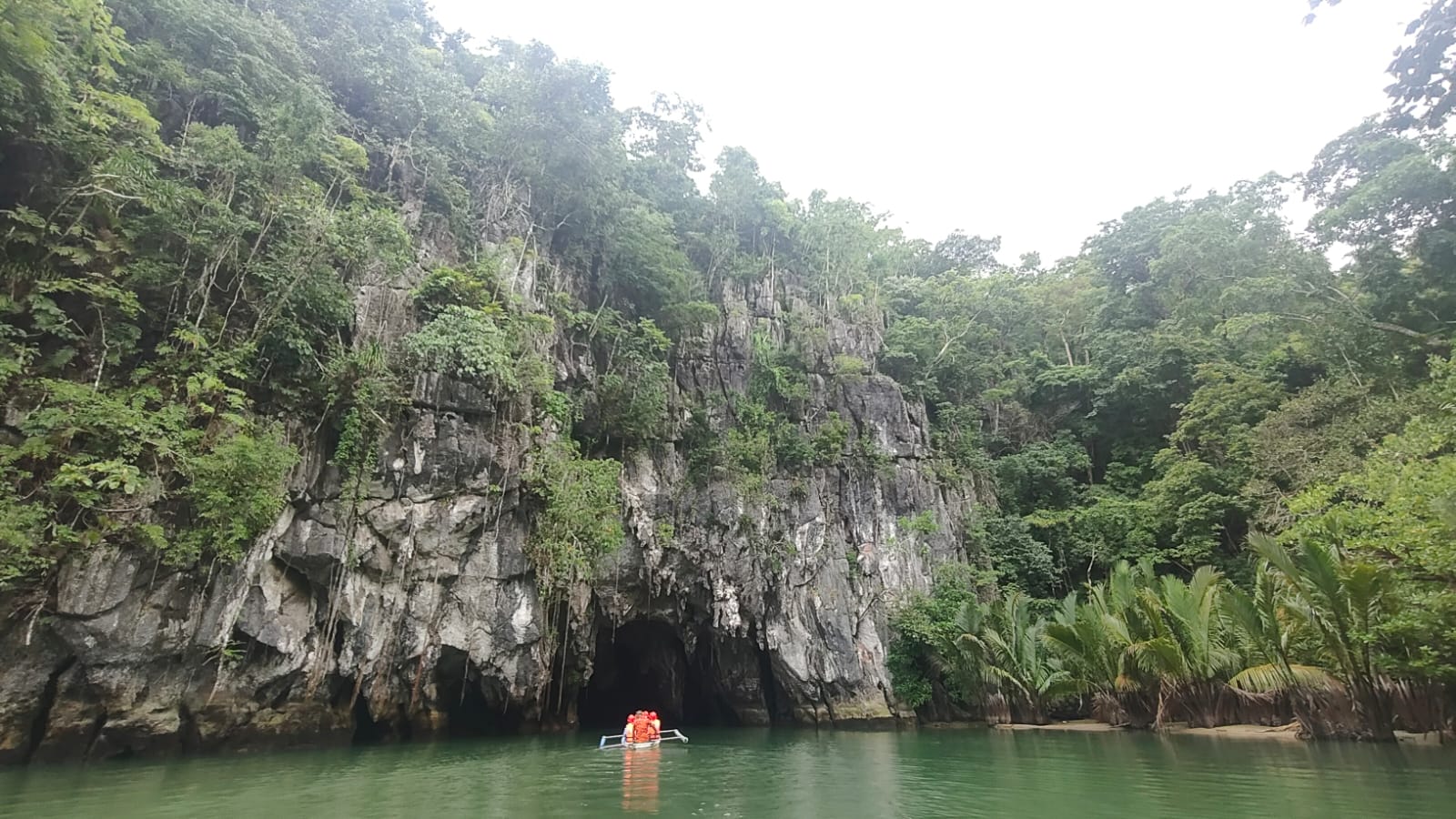
On the last day, the Wamamas visited the underground river, an eco-tourism site and a UNESCO-designated Biosphere Reserve. The Puerto Princesa Underground River flows through a cave with stalagmites and stalactites, and we took a 45-minute boat ride inside it to experience nature’s wonder. It reinforced the importance of conserving natural territories for socio-ecological wellbeing, one of the objectives of WAMA.
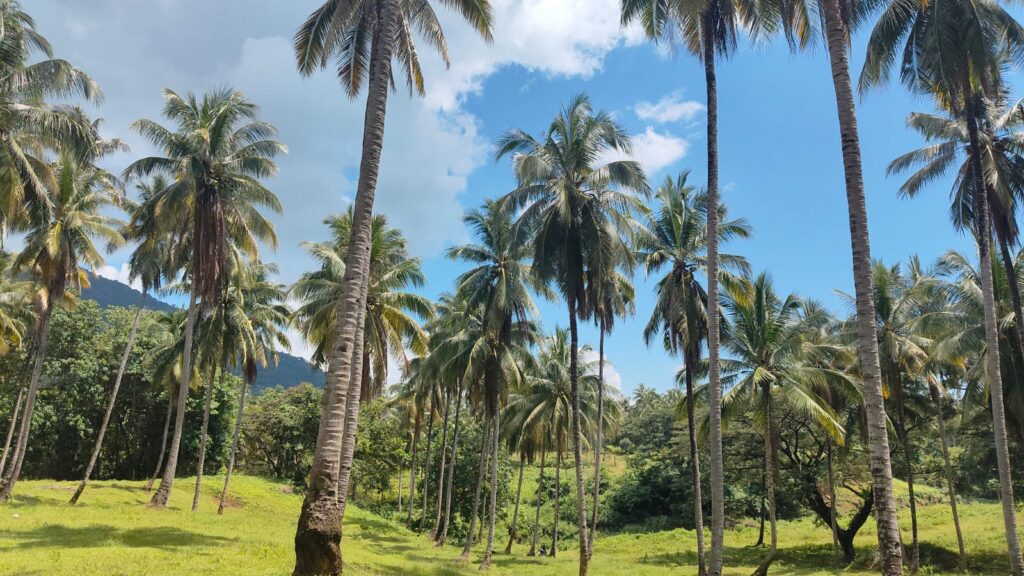
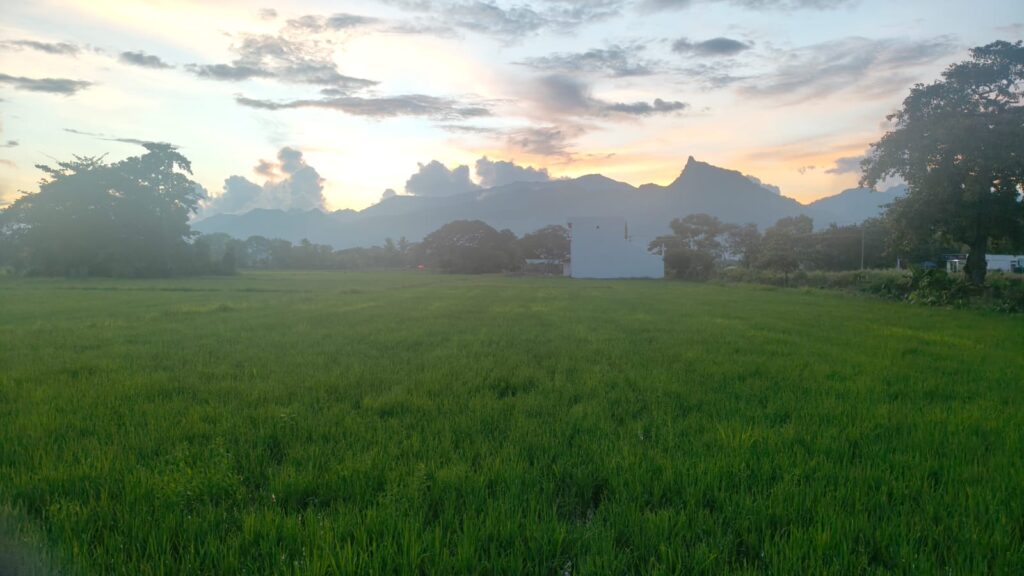
In the foothills of Maruyog, four days of sharing joy, success and sorrow transcended boundaries and solidified our sisterhood. The care and solidarity instilled a new vigour and motivation to continue our work in our own countries. Mabuhay! (Long live/Cheers in Filipino)