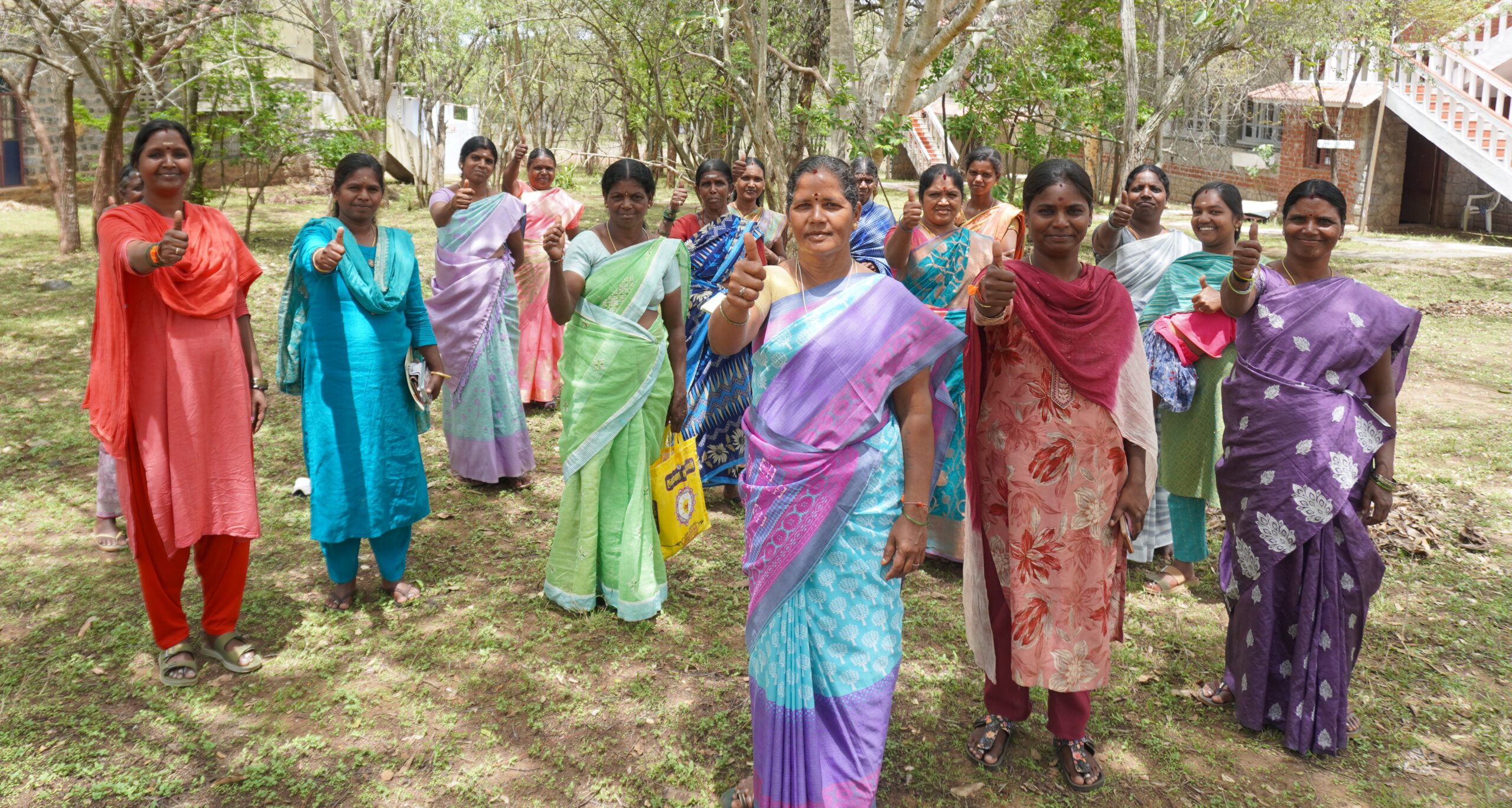
Reshma R, Climate Change
October was a month of learning, exchanging, and growing connections. From welcoming new farmers into the Analog Forestry network in Sigur to facilitating landscape-monitoring training with the Velugu Association in Srikakulam, our work continued to strengthen community-led stewardship across two very different landscapes. Though the contexts differed, both sessions reinforced a shared belief: sustainable farming and healthy landscapes depend on local knowledge, practical skills, and communities’ ability to understand and respond to ecological change.
Growing the Sigur Network:
Our Analog Forestry work in Sigur has grown steadily since 2022, expanding from two farmers to sixty. This journey has also revealed the strong gender dimension of the landscape. While our work focuses primarily on women, we have seen how entire families become involved in activities, trainings, and farm-level decision-making.
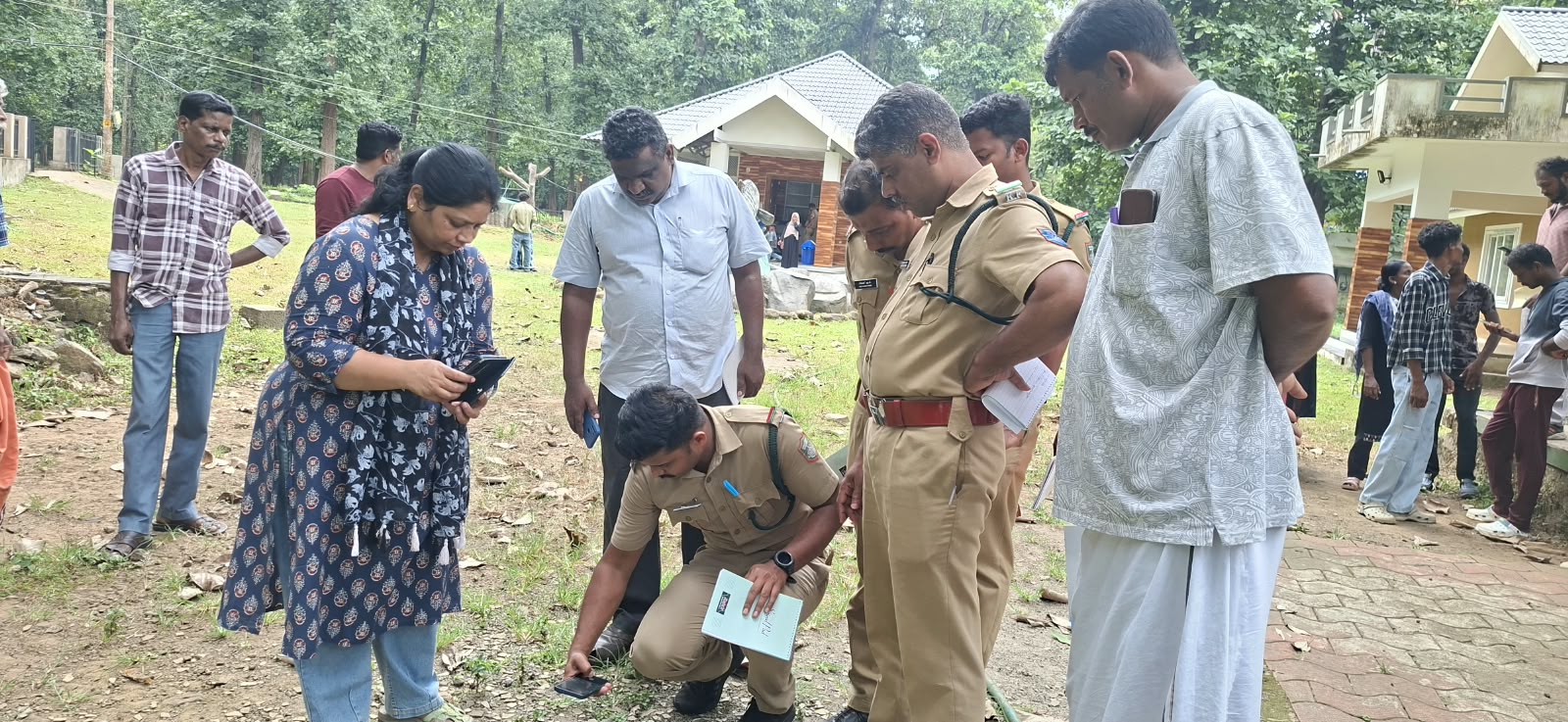
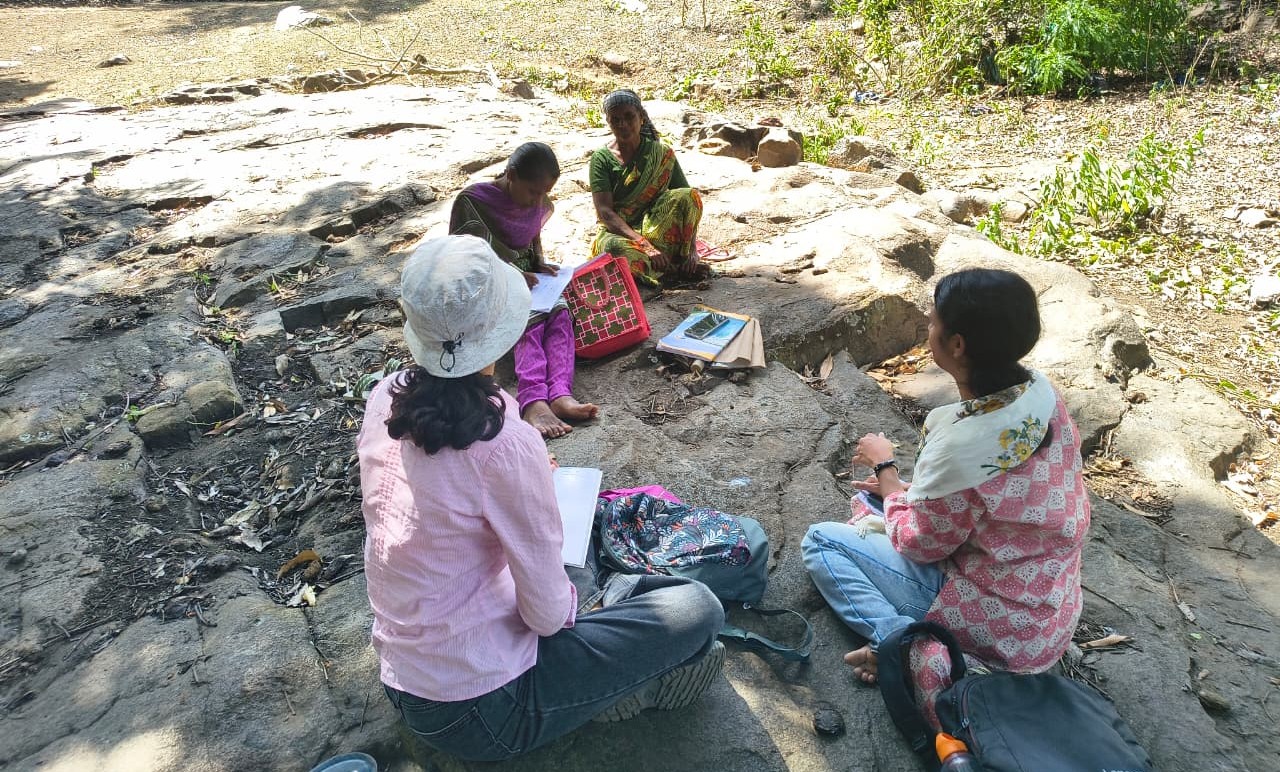
On 19 October, we conducted our first induction workshop for newly selected farmers, bringing together 35 farmers from eight villages with experienced Analog Forestry practitioners. The session began with introductions and reflections on why farmers continue cultivating despite the challenges of the landscape. Fifteen participants said they had been farming for more than ten years. Ten participants had never taken a break from cultivation.
Water scarcity and human-wildlife interactions emerged as common concerns.
We then shared Keystone’s journey in Sigur, using photographs to show how earlier Analog Forestry plots have changed over time. The workshop concluded with a practical exercise on one of the core methods of Analog Forestry: designing a plot before planting. Participants discussed the plants they were interested in and began thinking about how they would plan their own farms.
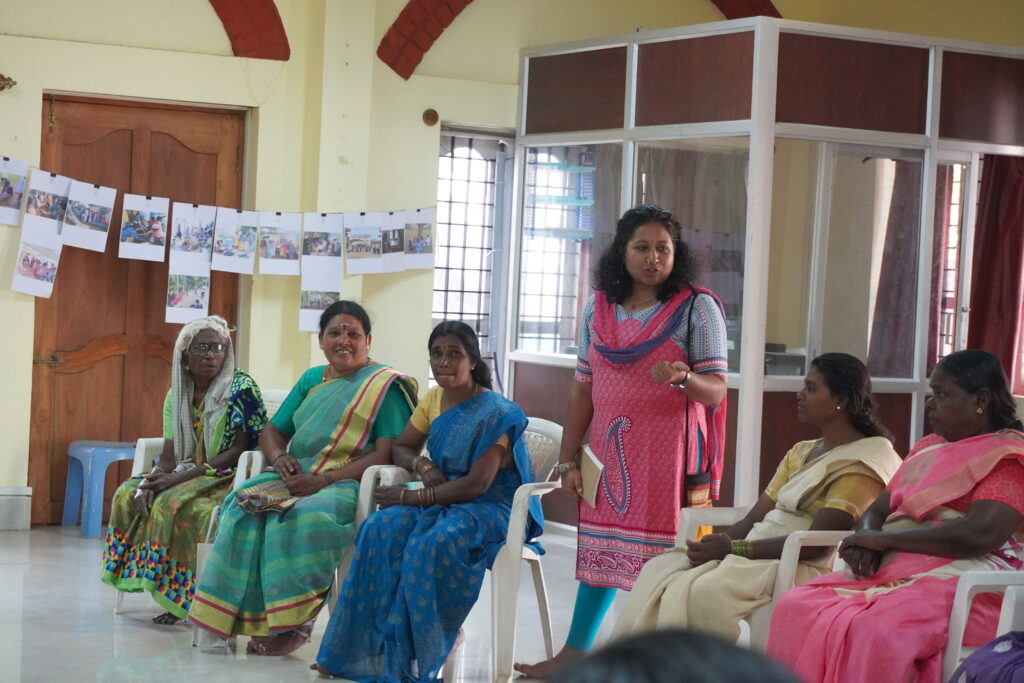
PC: Reshma R
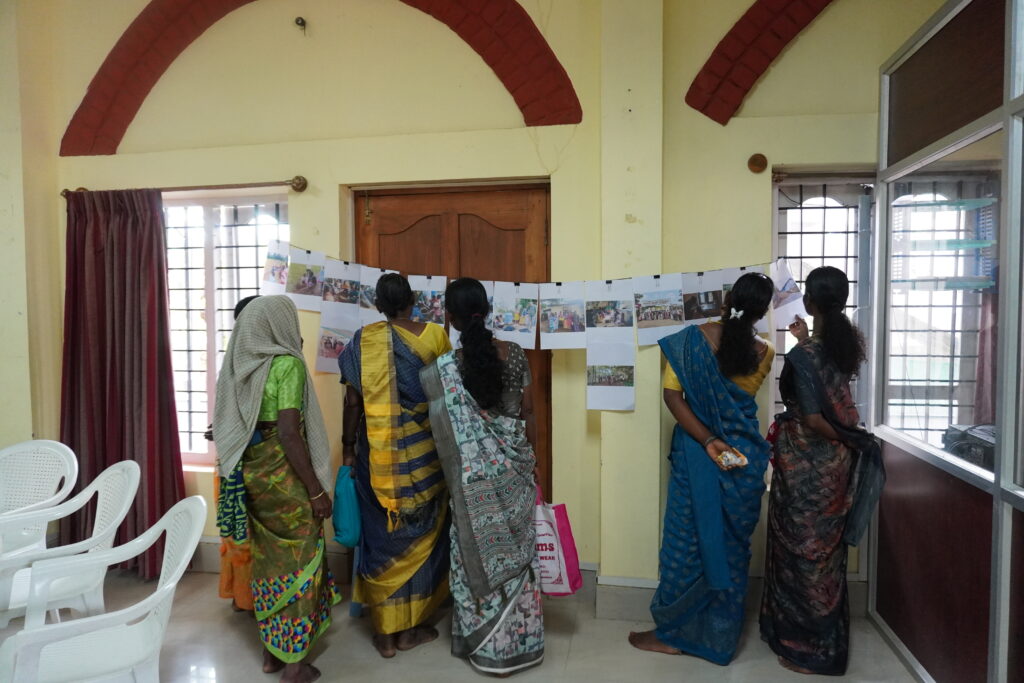
PC: Reshma R
Learning across Landscapes:
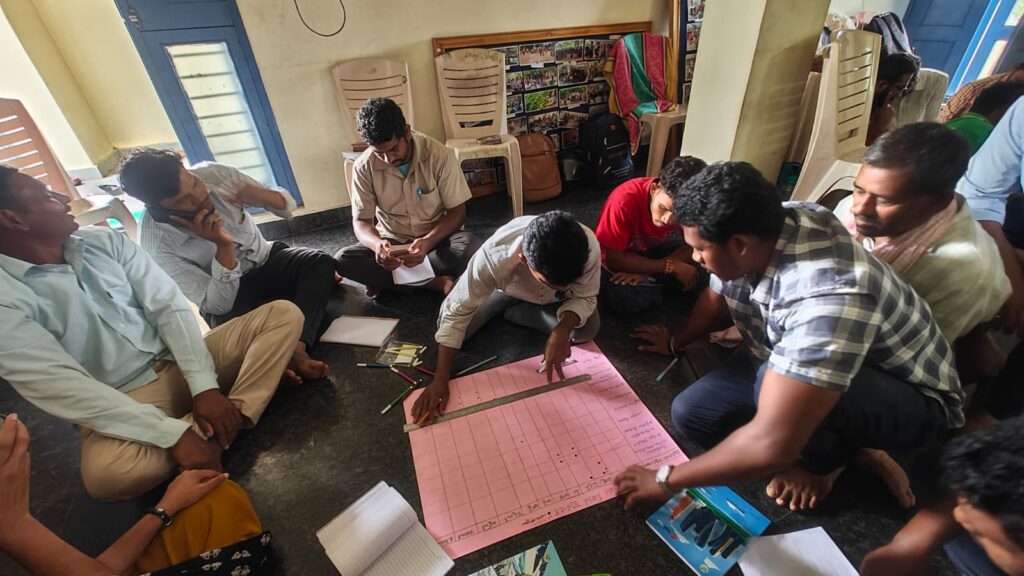
From 22 to 24 October, Bhavya, Prema, Guna, and I facilitated three-day training for the Velugu Association in Srikakulam, Andhra Pradesh. Around 30 participants were introduced to methods for understanding, measuring, and monitoring landscapes.
Bhavya opened the training with Pick Your Card, an activity in which participants selected bird or plant cards to introduce themselves. The group’s curiosity was evident throughout the session. During the field visit, participants enthusiastically brought local plant species, shared their names, and explained their medicinal uses. Prema was particularly struck by their eagerness to learn. Compared with earlier training groups, she found them exceptionally engaged. This encouraged her to share more of her own Analog Forestry experience.
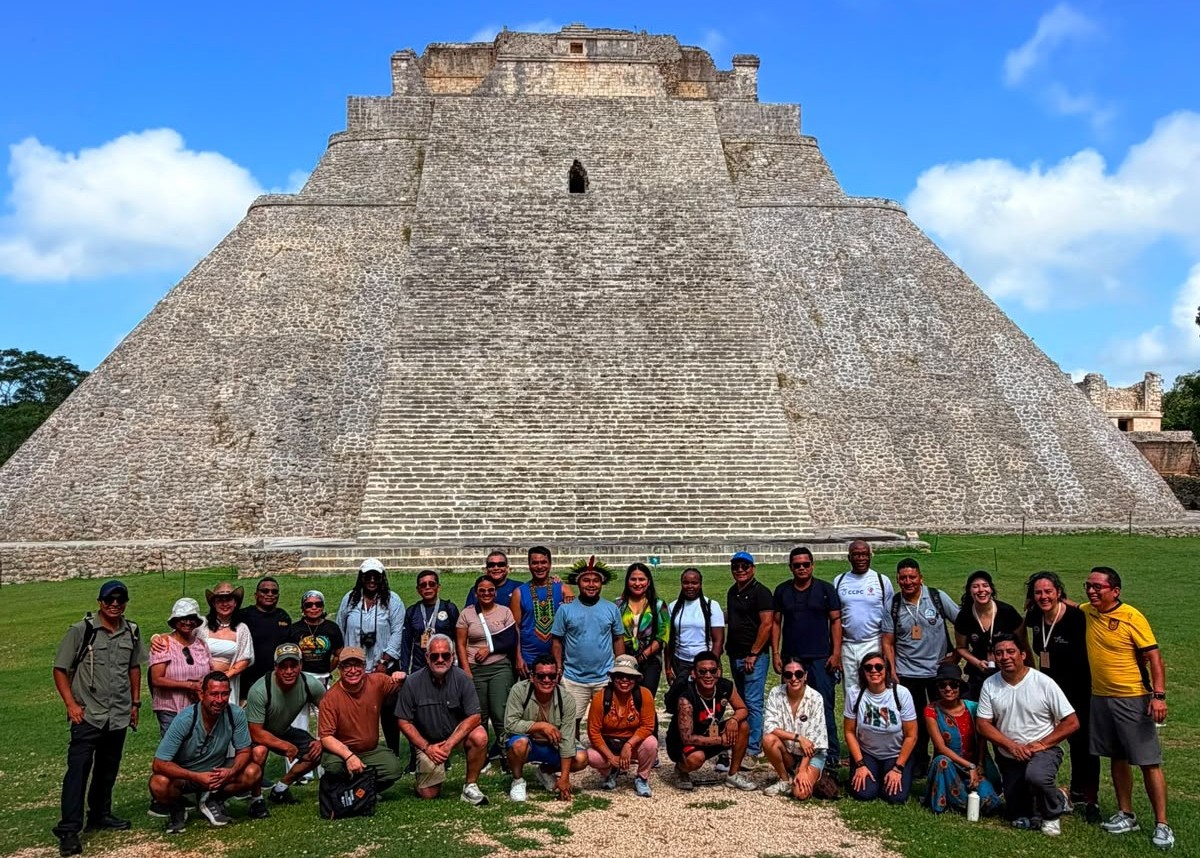
Over the three days, we introduced climate and weather, rain gauges and other weather equipment, ecological calendars, and Analog Forestry. Group activities on ecological calendars helped participants map agricultural practices across seasons, offering valuable insights into the local landscape. On the final day, the group moved to the field to explore practical methods for implementing Analog Forestry.
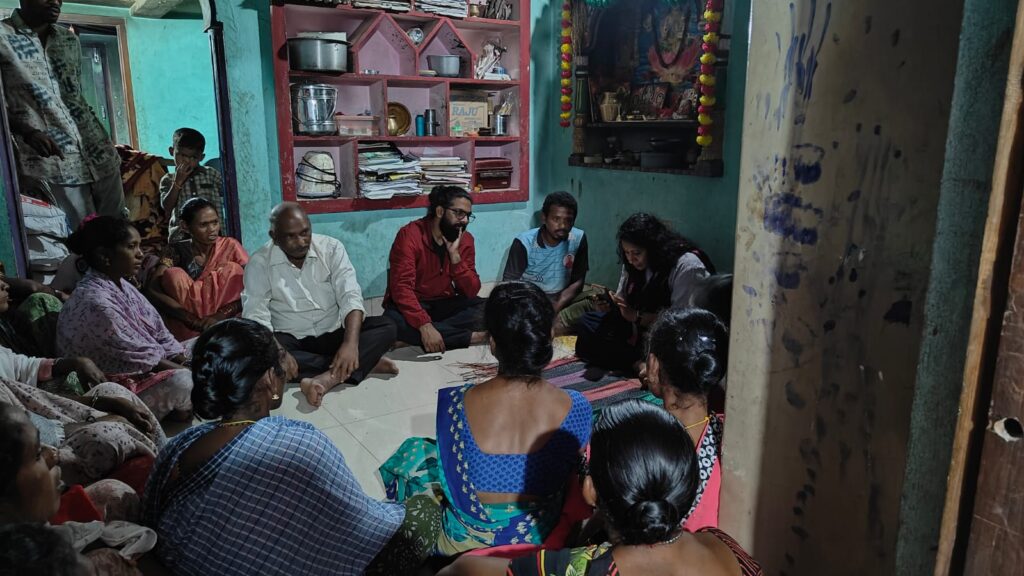
PC: Reshma R
PC: Gunashekar M
Monitoring as Advocacy
Guna shared that the field visit showed both the strength and vulnerability of the current farming system. While Podu and multi-tier systems support diverse crops, the push for quick income is expanding cashew cultivation.
This is replacing climate-resilient millets and degrading local ecology. Protecting landscapes and livelihoods requires proving that traditional farming works. Monitoring supports this, but communities also need to understand basic environmental data and its use for farming decisions.
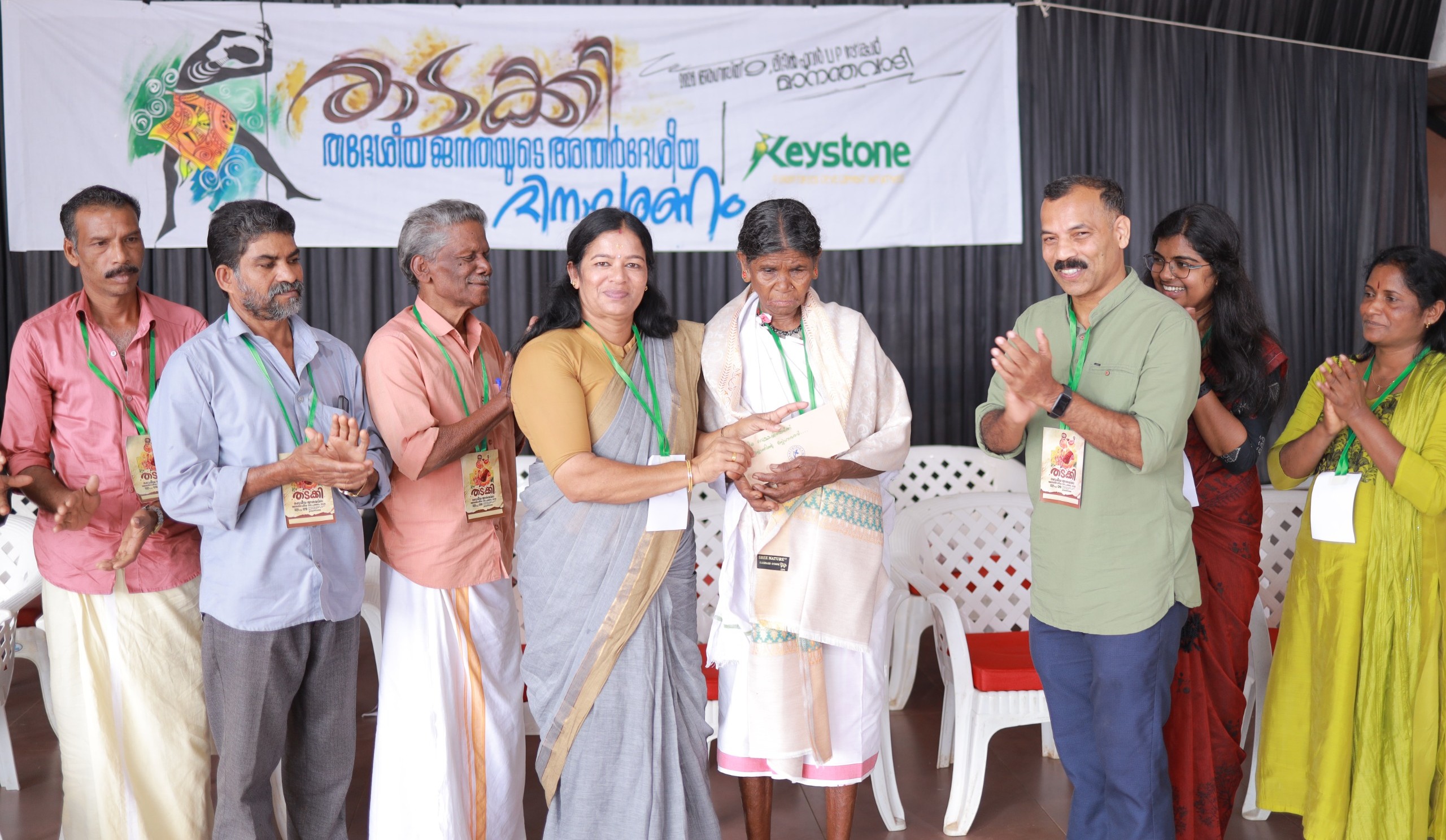
For me, the training offered a new perspective on landscape monitoring. During our discussion on weather monitoring, Sanjeeva Rao Garu explained how tribal communities in the hills could use rainfall data to negotiate compensation from industries in the plains for protecting upstream resources through their traditional agricultural practices.
This connection between ecological data and rights stayed with me. It opened a new way of thinking about my work with tribal women farmers, not only as a tool for understanding the landscape, but also as evidence to support their rights and livelihoods.
A Shared Direction
The sessions in Sigur and Srikakulam highlighted a common goal: strengthening communities’ capacity to understand, manage, and advocate for their landscapes. Together, they showed that communities need not only farming tools, but also the knowledge to read ecological change and use it for better farm planning, landscape restoration, and livelihood security.