Vishnu N M, Biodiversity Conservation
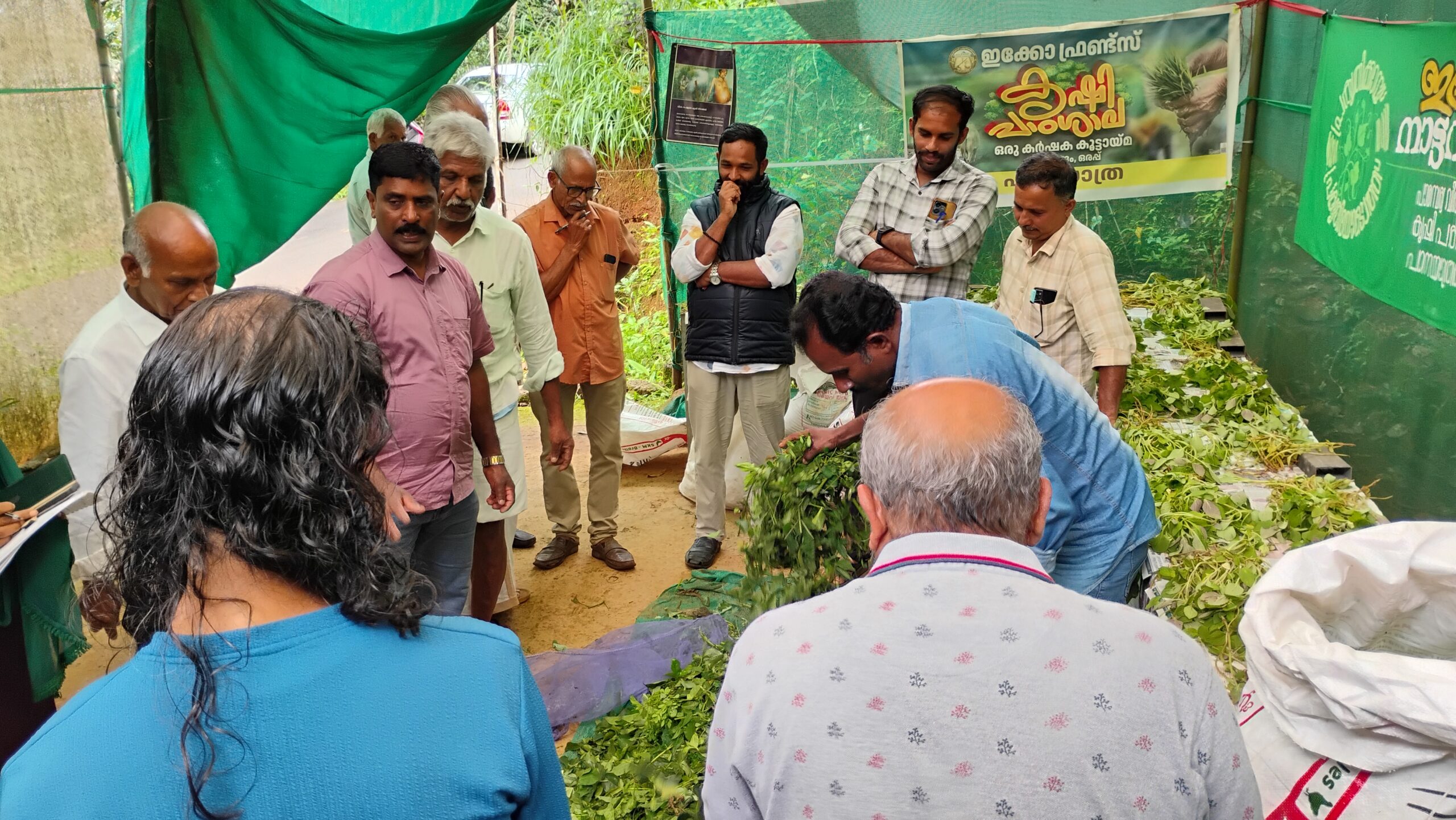
Across Begur and the Tholpetty range of Wayanad Wildlife Sanctuary, Keystone Foundation is teaming up with local Bettakuruma, Kattunayaka, and Paniya communities to bring 204 hectares of forest back to life.
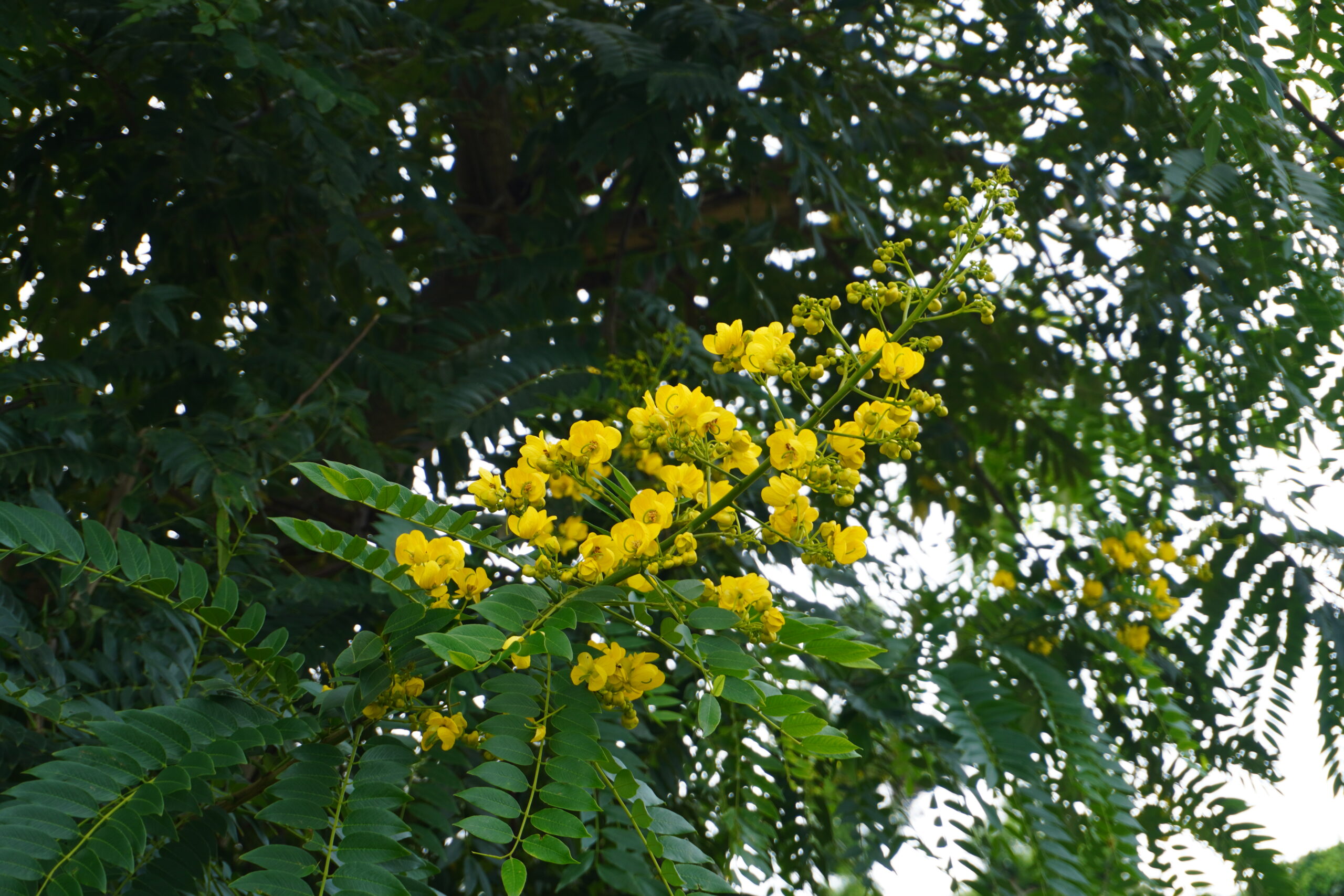
Over decades, fast-growing invasive weeds from the Americas, especially Senna spectabilis, Lantana, and Chromolaena, have taken over natural forests and old timber plantations. These aggressive invaders crowd out native plants, destroy wild food sources, disrupt wildlife habitats, and drive animals closer to human settlements. Together with indigenous forest guardians, our goal is simple: remove invasive species and give native biodiversity room to thrive again.
Invasive Management
Since its introduction in the 1980s, the invasive tree Senna spectabilis has spread rapidly across Wayanad Wildlife Sanctuary. Its dense thickets crowd out native plants, deprive wildlife of food and shelter, and disrupt the balance of the forest. Stopping it takes more than just cutting it down—it requires an approach that prevents vigorous regrowth and gives the natural ecosystem room to heal.
In August 2024, our team partnered with the Kerala Forests and Wildlife Department and the FERNS Naturalists’ Society to test a solution. In Tholpetty’s T2 block, we piloted a targeted “cut-stump” method on 55 Senna trees. The result was a 100% success: within seven months, every treated tree—including its stubborn root system—completely dried out.
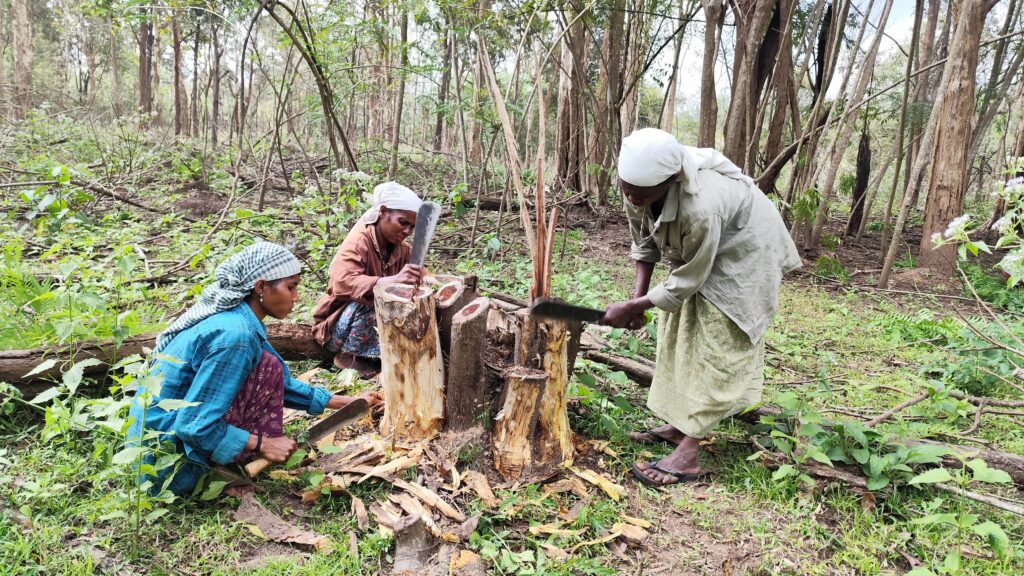
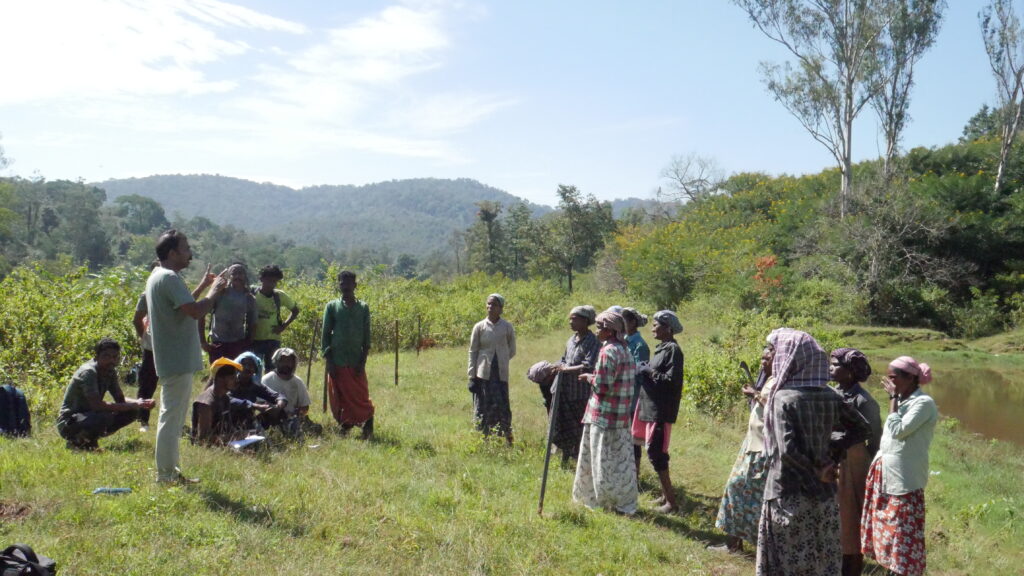
Building on that success, we scaled up the work across our 204-hectare restoration site. So far, standing Senna trees have been cut back to one meter above the ground across 150 hectares. To stop them from bouncing back, teams revisit every three months to prune away emerging shoots. This ongoing effort is gradually reducing the weed’s spread, allowing native forest species to reclaim the landscape.
Encouraged by these results, the project scaled up rapidly across the sanctuary, treating more than 40,000 invasive trees. The field insights helped refine the technique, leading the Kerala Forest Department to officially adopt and implement it across the wider region.
Barefoot ecologist
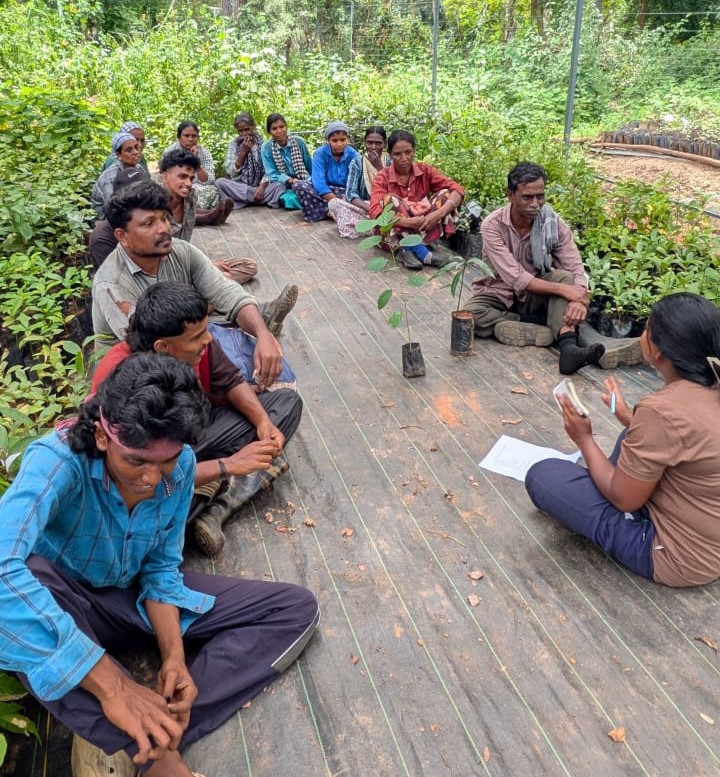
The project is spearheaded by local Barefoot Ecologists, who lead ground-level restoration and invasive species management across Wayanad. Highlighting their impact, Local Biodiversity Outlooks (LBO) published a case study titled, “Barefoot Ecologists carry out community-based restoration and invasive management practices in Kerala, India,“ . featuring reflections from barefoot ecologist Renju K.R. on community-led stewardship..