Aswathy GV, People and Nature Collectives
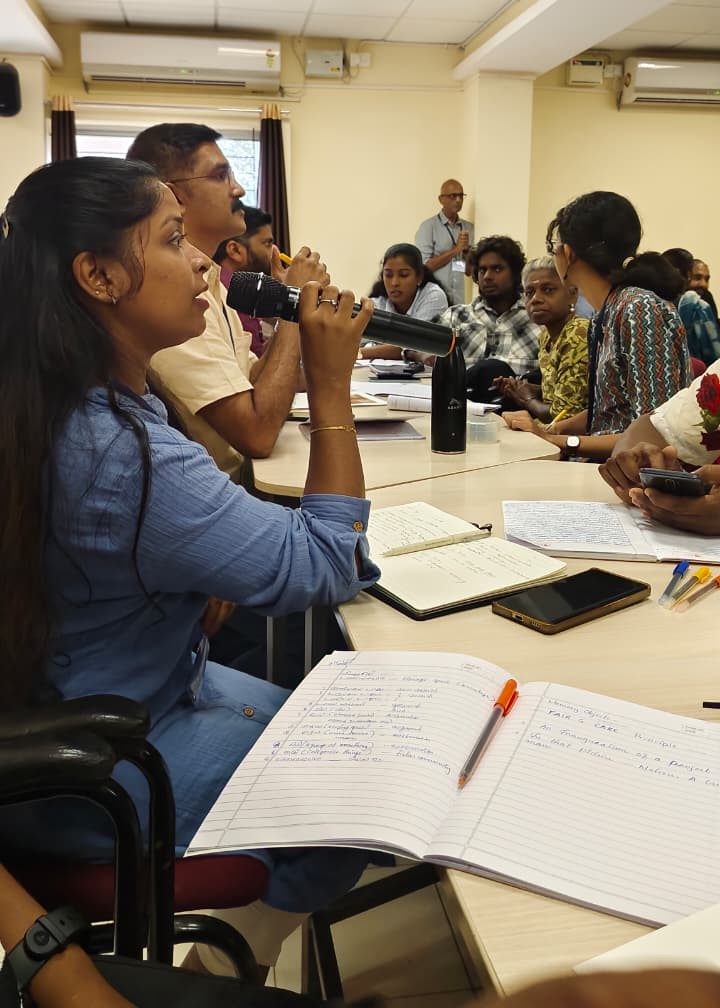
I had the opportunity to participate in a two-day workshop on archives held at University of Trans-Disciplinary Health Sciences and Technology (TDU), Bengaluru, on 30–31 July 2026. The workshop focused on the fundamental concepts of archives, the significance of community archives, the preservation of Indigenous knowledge systems, intellectual property rights, metadata, and the future possibilities of archival practices. The programme was designed as an interactive learning experience, combining presentations, group discussions, practical activities, and the sharing of participants’ experiences.
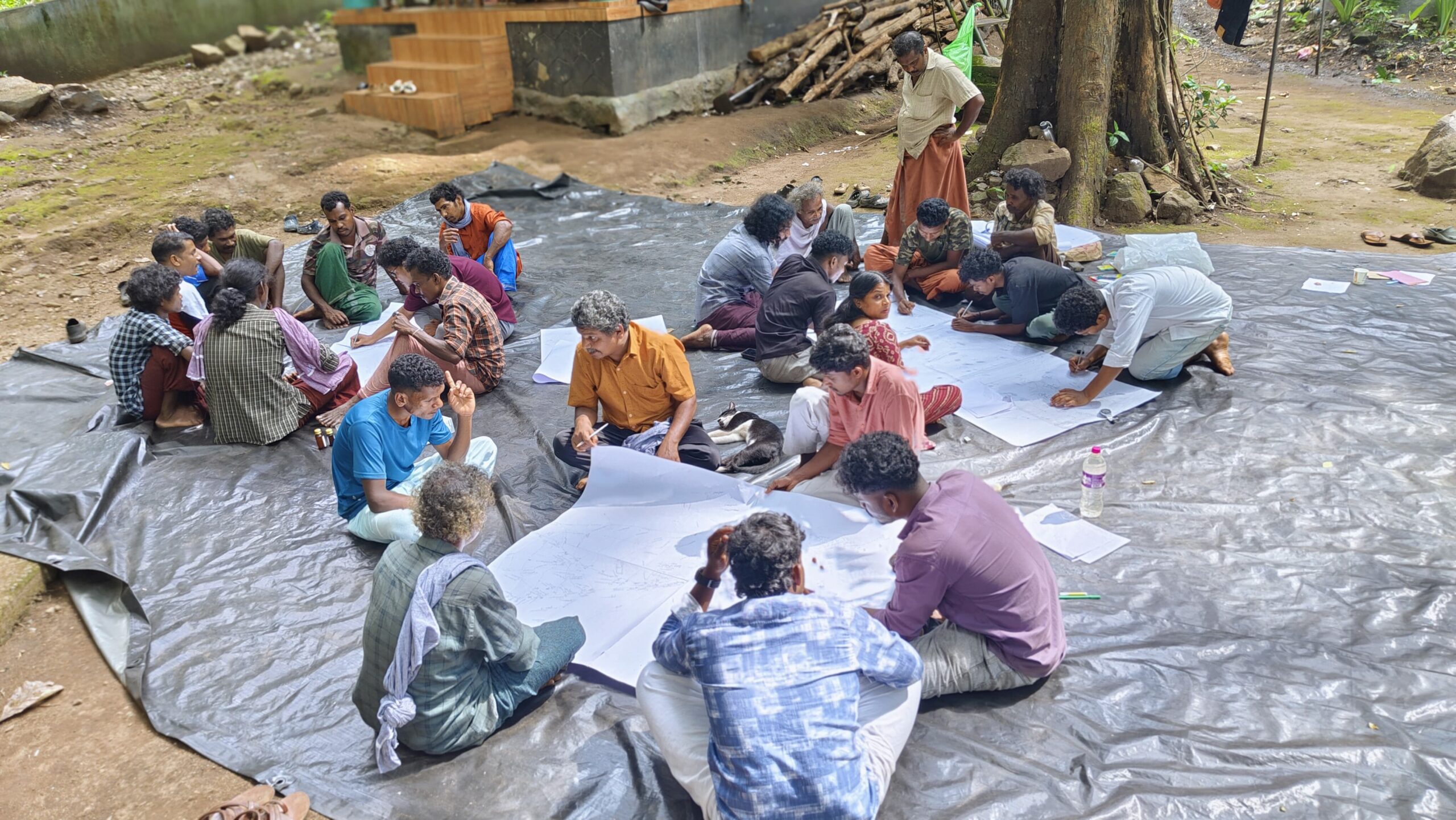
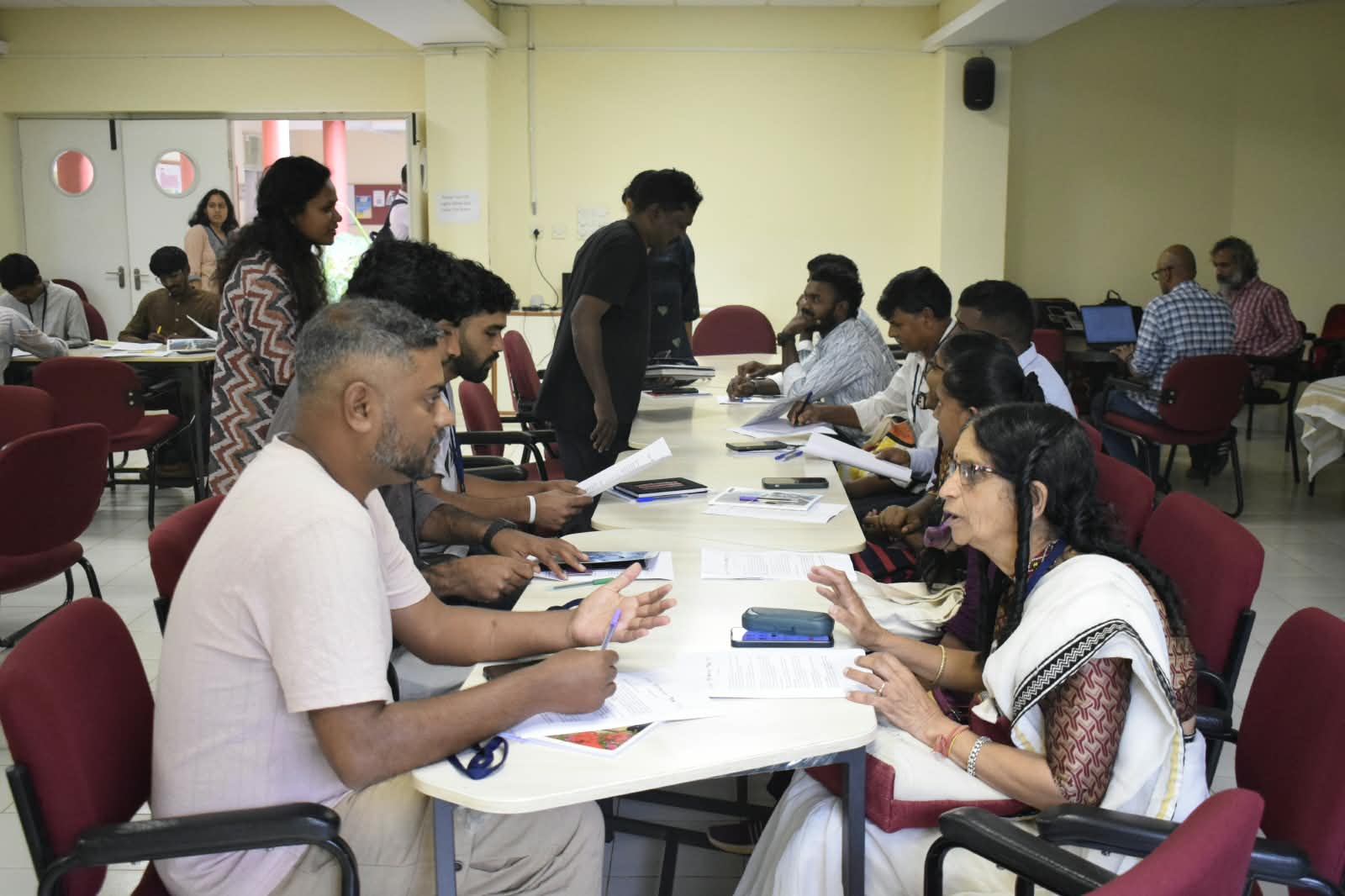
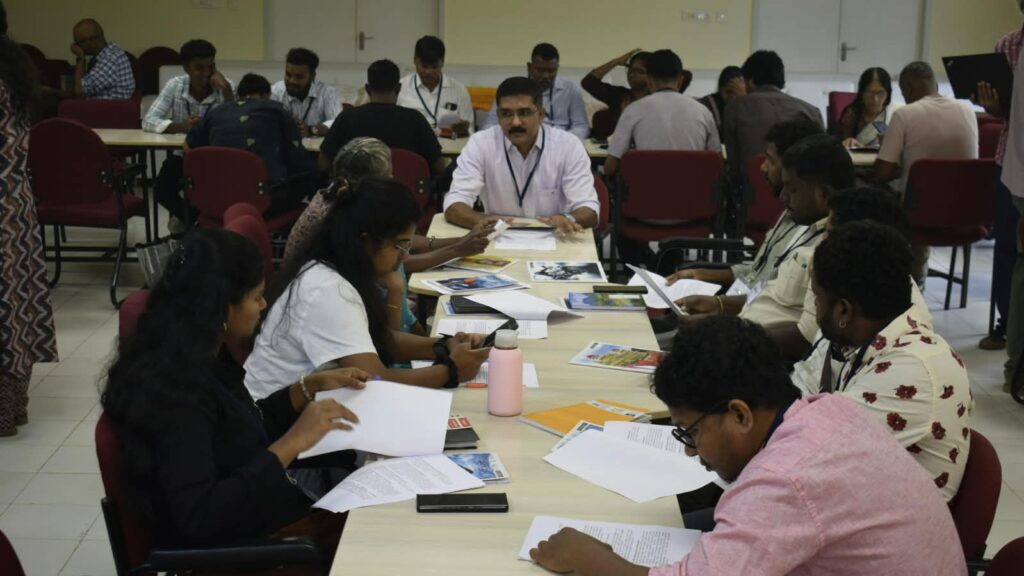
The workshop brought together participants representing the four South Indian languages—Malayalam, Tamil, Kannada, and Telugu. Each language group also included participants from different Indigenous and community language backgrounds. Participants were seated according to the primary language of communication, and each group was supported by dedicated translators and note-takers, ensuring multilingual participation and effective communication.
Reimagining Archives and Protecting Indigenous Knowledge:
The first day began with a session on Archival Memory Documentation, which introduced the fundamental differences between a library, a museum, and an archive. The session provided an overview of different types of archives, their characteristics, and their social and cultural significance, with particular emphasis on community archives. Discussions also explored the transition from physical to digital archives, highlighting both the opportunities and challenges of digital preservation.
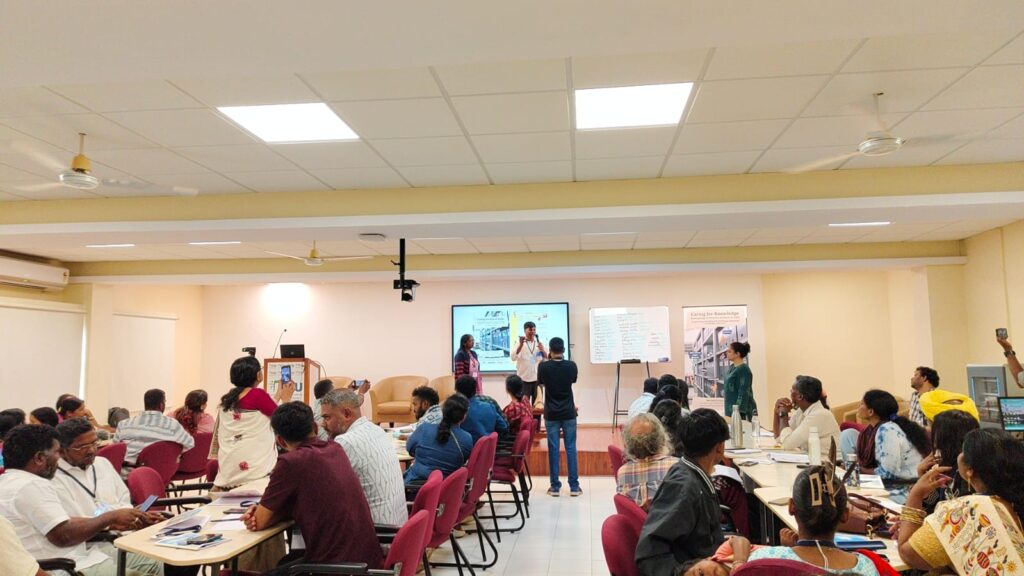
Although historians, researchers, and students often use archives, they also preserve community memory, heritage, and identity. The discussions explained how information about Indigenous and tribal communities reaches archival institutions. They also explored the processes involved in preserving these materials. The discussion highlighted how community archives often become inaccessible to the communities they represent. This underscored the need to place communities at the center of archival practices.
The session further examined how museums and archives originated within colonial systems and how many colonial perspectives continue to influence their present-day functioning. Consequently, the session strongly emphasised the importance of adopting community-centred and decolonial approaches to archival work.
The next session, Intellectual Property and Indigenous Knowledge Materials, focused on questions surrounding the ownership of knowledge and cultural materials. Discussions explored who creates knowledge, who legally owns it, and how ownership connects to its originating place and community. The session introduced various forms of intellectual property rights, including copyright, patents, trademarks, and geographical indications.
Participants also engaged in group exercises where each team analysed different scenarios from multiple perspectives and proposed possible solutions. The session encouraged critical thinking about how communities can implement collective and community-based intellectual property rights in practice. It also highlighted that the protection of Indigenous knowledge depends on the interconnected processes of knowledge, documentation, records, and rights.
Building Community-Centered Archives and Ethical Knowledge Practices:
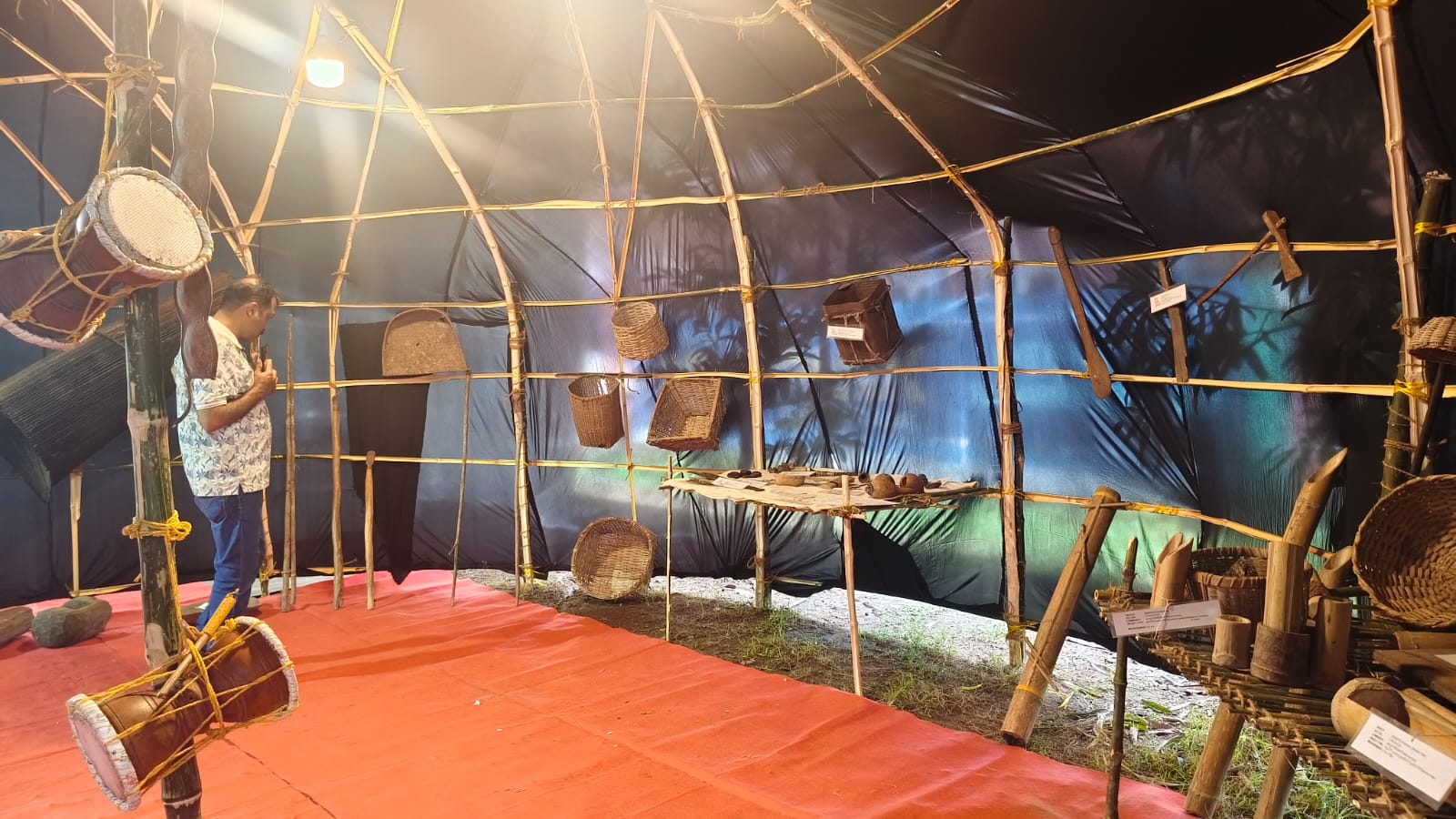
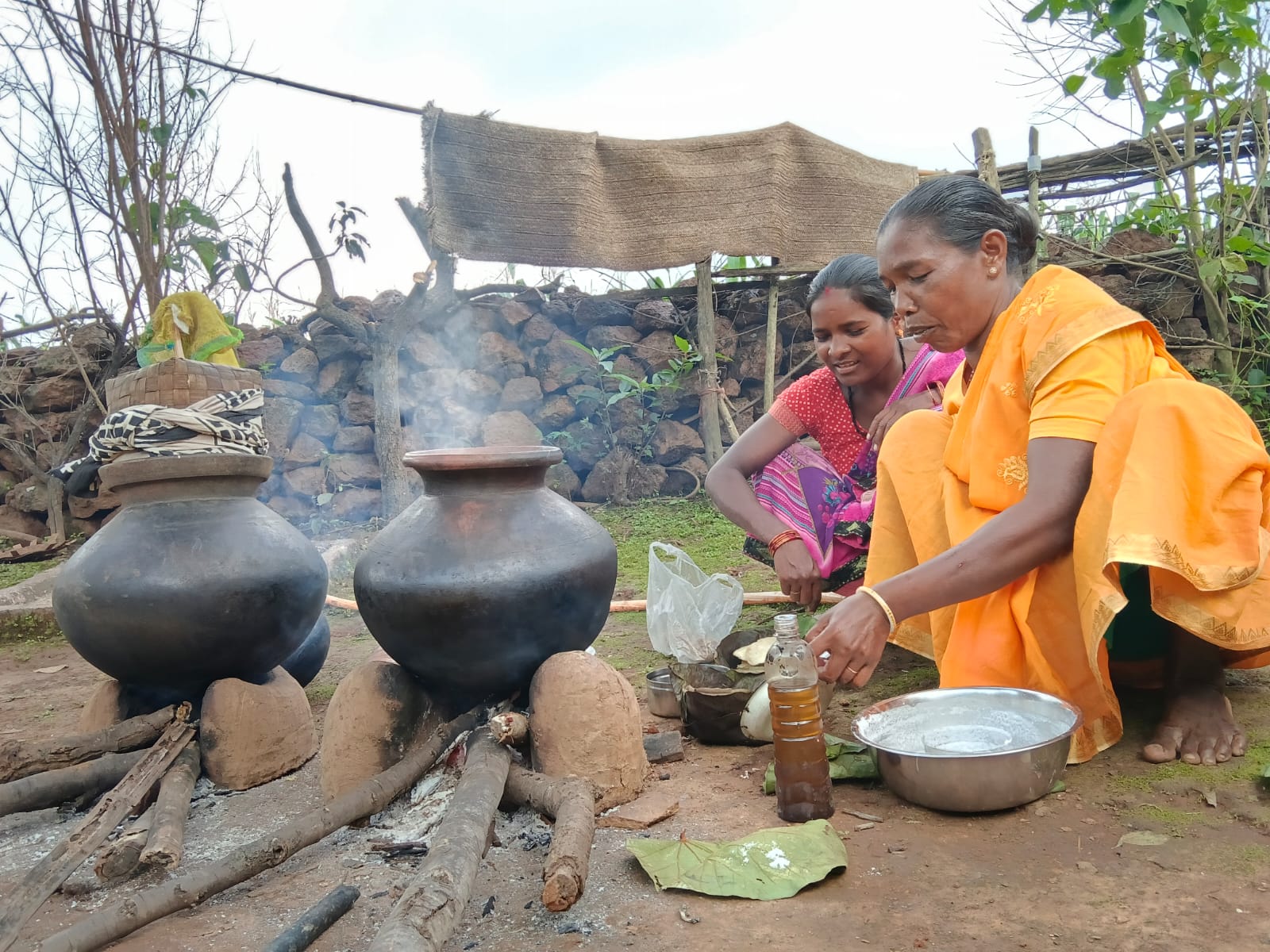
The second day opened with an engaging discussion on how different languages interpret and express the concept of an archive. Participants shared diverse terms and meanings from their linguistic and cultural contexts, enriching the discussion. Presentations on traditional objects from different communities followed, highlighting their cultural significance.
The session on metadata provided both theoretical and practical understanding of metadata creation and management. Through hands-on activities, participants learned the importance of accurately documenting essential information related to archival materials. The workshop also introduced the FAIR and CARE Principles, along with the EPIC framework, and discussed their importance in preserving, managing, and ethically using Indigenous knowledge and community-based information.
The final session explored fundamental questions about why we create archives and whom they should serve. Participants discussed strategies for connecting archives with local communities and Gram Sabhas, ensuring the sustainability of archival initiatives, identifying financial resources, and determining institutional and community responsibilities. The session concluded with an exchange of ideas and recommendations, providing a comprehensive conclusion to the workshop.
Overall, the two-day workshop offered valuable insights into understanding archives not merely as repositories of documents but as living systems that preserve, protect, and transmit the memories, knowledge, identities, and rights of communities across generations. It significantly enhanced my understanding of community-centered archives, the preservation of Indigenous knowledge systems, intellectual property rights, metadata, and the FAIR–CARE principles, while reinforcing the importance of inclusive, ethical, and community-driven archival practices.
ആർകൈവ്സ് സംബന്ധിച്ച രണ്ട് ദിവസത്തെ വർക്ക്ഷോപ്പ് – റിപ്പോർട്ട്
2026 ജൂലൈ 30, 31 തീയതികളിൽ ബാംഗ്ലൂർ ടി.ഡി.യൂണിവേഴ്സിറ്റിയിൽ സംഘടിപ്പിച്ച ആർകൈവ്സ് സംബന്ധിച്ച രണ്ട് ദിവസത്തെ വർക്ക്ഷോപ്പിൽ പങ്കെടുക്കാൻ അവസരം ലഭിച്ചു. ആർകൈവുകളുടെ അടിസ്ഥാന ആശയങ്ങൾ, കമ്മ്യൂണിറ്റി ആർകൈവുകളുടെ പ്രാധാന്യം, തദ്ദേശീയ വിജ്ഞാനസംവിധാനങ്ങളുടെ സംരക്ഷണം, ബൗദ്ധിക സ്വത്തവകാശം, മെറ്റാഡാറ്റ, ആർകൈവുകളുടെ ഭാവി സാധ്യതകൾ എന്നിവയെ ആസ്പദമാക്കി വിവിധ സെഷനുകളാണ് വർക്ക്ഷോപ്പിന്റെ ഭാഗമായി നടന്നത്. അനുഭവങ്ങളും ഗ്രൂപ്പ് ചർച്ചകളും പ്രായോഗിക പ്രവർത്തനങ്ങളും ഉൾക്കൊള്ളുന്ന രീതിയിലായിരുന്നു പരിപാടി ക്രമീകരിച്ചിരുന്നത്. പരിപാടിയിൽ മലയാളം, തമിൾ, കന്നഡ, തെലുങ്ക്, എന്നീ ഭാഷകളെ പ്രതിനിധികരിച്ചു കൊണ്ടുള്ളവരാണ് പങ്കെടുത്തിരുന്നത്. ഈ ഗ്രൂപ്പിൽ ഓരോന്നിലും വ്യത്യസ്തതരം കമ്മ്യൂണിറ്റി ഭാഷകാൾ സംസാരിക്കുന്നവരും ഉണ്ടാർന്നു. മെയിൻ ഭാഷക്കനുസരിച്ചു ഓരോ ഗ്രൂപ്പായിട്ടാണ് ഇരുന്നിരുന്നത്.. ഓരോ ഗ്രുപ്പിനും ഓരോ ട്രാസ്ലേറ്റർമാരും നോട്ട് ടേക്കർമാരും ഉണ്ടായിരുന്നു.
വർക്ക്ഷോപ്പിന്റെ ആദ്യ ദിവസം ആർകൈവൽ മെമ്മറി ഡോക്യുമെന്റേഷൻ എന്ന വിഷയത്തെ അടിസ്ഥാനമാക്കിയുള്ള അവതരണത്തോടെയാണ് ആരംഭിച്ചത്. ഒരു ലൈബ്രറി, ഒരു മ്യൂസിയം, ഒരു ആർകൈവ് എന്നിവ തമ്മിലുള്ള അടിസ്ഥാന വ്യത്യാസങ്ങൾ വിശദീകരിച്ചുകൊണ്ടാണ് സെഷന് തുടക്കമായത്. തുടർന്ന് വിവിധ തരത്തിലുള്ള ആർകൈവുകളെയും അവയുടെ സവിശേഷതകളെയും സാമൂഹികവും സാംസ്കാരികവുമായ പ്രാധാന്യത്തെയും കുറിച്ച് വിശദമായി അവതരിപ്പിച്ചു. പ്രത്യേകിച്ച് കമ്മ്യൂണിറ്റി ആർകൈവ്സ് എന്ന ആശയത്തിന് കൂടുതൽ പ്രാധാന്യം നൽകി. ഫിസിക്കൽ ആർകൈവുകളുടെ കാലഘട്ടത്തിൽ നിന്ന് ഡിജിറ്റൽ ആർകൈവുകളുടെ ലോകത്തേക്കുള്ള മാറ്റവും അതിലൂടെ ഉണ്ടായിരിക്കുന്ന സാധ്യതകളും വെല്ലുവിളികളും ചർച്ച ചെയ്തു.
ആർകൈവുകൾ പ്രധാനമായും ചരിത്രപഠനത്തിൽ താൽപര്യമുള്ളവരും ഗവേഷകരും വിദ്യാർഥികളും ഉപയോഗിക്കുന്നുവെങ്കിലും, അവ കമ്മ്യൂണിറ്റികളുടെ ഓർമ്മകളെയും പാരമ്പര്യത്തെയും സംരക്ഷിക്കുന്ന ഒരു പ്രധാന ഉപാധിയാണെന്ന ആശയം അവതരിപ്പിക്കപ്പെട്ടു. ട്രൈബൽ കമ്മ്യൂണിറ്റികളുമായി ബന്ധപ്പെട്ട വിവരങ്ങൾ ആർകൈവുകളിലേക്ക് എത്തിച്ചേരുന്ന രീതികളും അവയുടെ സംരക്ഷണ പ്രക്രിയകളും വിശദീകരിച്ചു. കമ്മ്യൂണിറ്റികൾക്കായി ആരംഭിക്കുന്ന ആർകൈവുകൾ പലപ്പോഴും കമ്മ്യൂണിറ്റികൾക്ക് തന്നെ അപ്രാപ്യമാകുന്ന അവസ്ഥ നിലനിൽക്കുന്നതായും, കമ്മ്യൂണിറ്റികളെ ആർകൈവുകളുടെ കേന്ദ്രസ്ഥാനത്ത് കൊണ്ടുവരേണ്ടതിന്റെ ആവശ്യകതയും ഈ ചർച്ചകളിലൂടെ വ്യക്തമായി.
മ്യൂസിയങ്ങളും ആർകൈവുകളും കൊളോണിയൽ കാലഘട്ടത്തിന്റെ ഭാഗമായാണ് രൂപംകൊണ്ടതെന്നും, ഇന്നും അവയുടെ പ്രവർത്തനരീതികളിൽ കൊളോണിയൽ കാഴ്ചപ്പാടിന്റെ സ്വാധീനം നിലനിൽക്കുന്നതായും വിശദീകരിച്ചു. അതിനാൽ കമ്മ്യൂണിറ്റികളെ കേന്ദ്രീകരിച്ചുള്ള പുതിയ സമീപനങ്ങൾ സ്വീകരിക്കേണ്ടതിന്റെ ആവശ്യകത ഈ സെഷനിൽ ഊന്നിപ്പറഞ്ഞു.
തുടർന്ന് നടന്ന ഇന്റലക്ച്വൽ പ്രോപ്പർട്ടി ആൻഡ് ഇൻഡിജിനസ് നോളജ് മെറ്റീരിയൽസ് എന്ന സെഷനിൽ ഒരു വിജ്ഞാനസമ്പത്തോ രേഖയോ ആരാണ് സൃഷ്ടിച്ചത്, അതിന്റെ നിയമപരമായ ഉടമസ്ഥാവകാശം ആർക്കാണ് എന്ന അടിസ്ഥാന ചോദ്യങ്ങളിലൂടെയാണ് ചർച്ച പുരോഗമിച്ചത്. ഒരു ഡാറ്റയുടെയോ വസ്തുവിന്റെയോ ഉത്ഭവസ്ഥലവുമായി അതിന്റെ ഉടമസ്ഥാവകാശം ബന്ധപ്പെട്ടിരിക്കണമെന്ന ആശയവും വിശദീകരിച്ചു. കോപ്പിറൈറ്റ്, പേറ്റന്റ്, ട്രേഡ്മാർക്ക്, ജിയോഗ്രാഫിക്കൽ ഇൻഡിക്കേഷൻ തുടങ്ങിയ വിവിധ ബൗദ്ധിക സ്വത്തവകാശ സംവിധാനങ്ങളെക്കുറിച്ചും വിശദമായ അവതരണം നടത്തി. സെഷന്റെ ഭാഗമായി ഓരോ ഗ്രൂപ്പിനും വ്യത്യസ്ത സാഹചര്യങ്ങൾ നൽകി, അവയെ വിവിധ കാഴ്ചപ്പാടുകളിൽ നിന്ന് വിലയിരുത്തി പരിഹാരങ്ങൾ നിർദേശിക്കുന്ന ഗ്രൂപ്പ് പ്രവർത്തനവും സംഘടിപ്പിച്ചു. കളക്ടീവ്, കമ്മ്യൂണിറ്റി അധിഷ്ഠിതമായ ഇന്റലക്ച്വൽ പ്രോപ്പർട്ടി റൈറ്റുകൾ പ്രായോഗികമായി എങ്ങനെ സാധ്യമാക്കാം എന്ന ചിന്തയ്ക്കും ഈ സെഷൻ വഴിയൊരുക്കി. നോളജ്, ഡോക്യുമെന്റേഷൻ, റെക്കോർഡ്സ്, റൈറ്റ്സ് എന്നീ ഘട്ടങ്ങളിലൂടെ കടന്നുപോകുമ്പോഴാണ് അവകാശ സംരക്ഷണം സാധ്യമാകുന്നതെന്ന് പ്രത്യേകമായി വിശദീകരിച്ചു.
രണ്ടാം ദിവസം ആർകൈവ് എന്ന ആശയത്തെ വിവിധ ഭാഷകളിൽ എങ്ങനെ വിശേഷിപ്പിക്കാം എന്നതിനെക്കുറിച്ചുള്ള സംവാദത്തോടെയാണ് ആരംഭിച്ചത്. വിവിധ ഭാഷകളിൽ നിന്നുള്ളവർ അവതരിപ്പിച്ച വ്യത്യസ്ത പേരുകളും ആശയങ്ങളും ഈ സെഷനെ കൂടുതൽ ശ്രദ്ധേയ്യമാക്കി. തുടർന്ന് വിവിധ കമ്മ്യൂണിറ്റികളിൽ നിന്നുള്ള പരമ്പരാഗത വസ്തുക്കളുടെ പരിചയപ്പെടുത്തലും അവയുടെ സാംസ്കാരിക പ്രാധാന്യത്തെക്കുറിച്ചുള്ള അവതരണങ്ങളും നടന്നു.
മെറ്റാഡാറ്റയെക്കുറിച്ചുള്ള സെഷനിൽ മെറ്റാഡാറ്റയുടെ പ്രാധാന്യവും അത് തയ്യാറാക്കേണ്ട രീതികളും ഒരു പ്രായോഗിക പ്രവർത്തനത്തിലൂടെ മനസ്സിലാക്കാൻ സാധിച്ചു. ഓരോ രേഖയ്ക്കും വസ്തുവിനും അനുയോജ്യമായ വിവരങ്ങൾ കൃത്യമായി രേഖപ്പെടുത്തുന്നതിന്റെ ആവശ്യകത ഈ സെഷനിലൂടെ വ്യക്തമായി. തുടർന്ന് FAIR, CARE എന്നീ പ്രിൻസിപ്പിളുകളെയും EPIC എന്ന ആശയത്തെയും കുറിച്ച് വിശദീകരിച്ചു. തദ്ദേശീയ അറിവുകളുടെയും കമ്മ്യൂണിറ്റി അധിഷ്ഠിത വിവരങ്ങളുടെയും സംരക്ഷണത്തിലും ഉപയോഗത്തിലും ഈ തത്വങ്ങൾക്ക് ഉള്ള പ്രാധാന്യം വിശദമായി ചർച്ച ചെയ്തു.
വർക്ക്ഷോപ്പിന്റെ അവസാന സെഷനിൽ ആർകൈവുകൾ എന്തിനുവേണ്ടിയാണ് സൃഷ്ടിക്കപ്പെടുന്നത്, ആർക്കുവേണ്ടിയാണ് അവ പ്രവർത്തിക്കേണ്ടത് എന്ന അടിസ്ഥാന ചോദ്യങ്ങൾ ചർച്ചയായി. ഗ്രാമസഭകളെയും പ്രാദേശിക സമൂഹങ്ങളെയും ആർകൈവ് പ്രവർത്തനങ്ങളുമായി എങ്ങനെ ബന്ധിപ്പിക്കാം, ആർകൈവുകളുടെ തുടർച്ച ഉറപ്പാക്കാൻ ആവശ്യമായ സാമ്പത്തിക സ്രോതസ്സുകൾ എങ്ങനെ കണ്ടെത്താം, അതിന്റെ ഉത്തരവാദിത്വം ആർക്കായിരിക്കണം തുടങ്ങിയ വിഷയങ്ങളിൽ എല്ലാവരും തമ്മിൽ ആശയവിനിമയം നടത്തി. വിവിധ തലങ്ങളിലുള്ള നിർദേശങ്ങളുടേയും അഭിപ്രായങ്ങളുടേയും പങ്കുവെക്കപ്പെടലൊടുകൂടി സെഷന് സമാപനമായി മാറി.
ഈ രണ്ട് ദിവസത്തെ വർക്ക്ഷോപ്പ് ആർകൈവുകളെ കേവലം രേഖകളുടെ ശേഖരമായി കാണാതെ, കമ്മ്യൂണിറ്റികളുടെ ഓർമ്മകളും അറിവുകളും അവകാശങ്ങളും സംരക്ഷിക്കുകയും ഭാവി തലമുറകൾക്ക് കൈമാറുകയും ചെയ്യുന്ന ഒരു ജീവിക്കുന്ന സംവിധാനമായി മനസ്സിലാക്കാൻ സഹായകമായി. പ്രത്യേകിച്ച് കമ്മ്യൂണിറ്റി കേന്ദ്രീകൃത ആർകൈവുകൾ, തദ്ദേശീയ വിജ്ഞാനത്തിന്റെ സംരക്ഷണം, ബൗദ്ധിക സ്വത്തവകാശം, മെറ്റാഡാറ്റ, FAIR–CARE തത്വങ്ങൾ എന്നിവയെക്കുറിച്ച് കൂടുതൽ ആഴത്തിലുള്ള ധാരണ നേടാൻ ഈ വർക്ക്ഷോപ്പ് ഏറെ പ്രയോജനകരമായി.